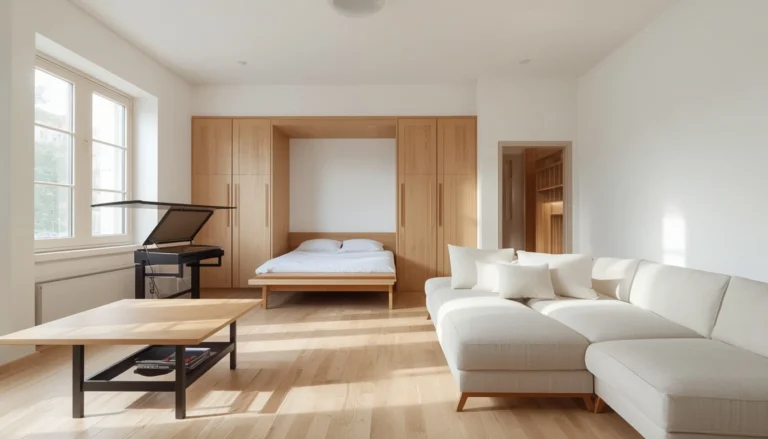
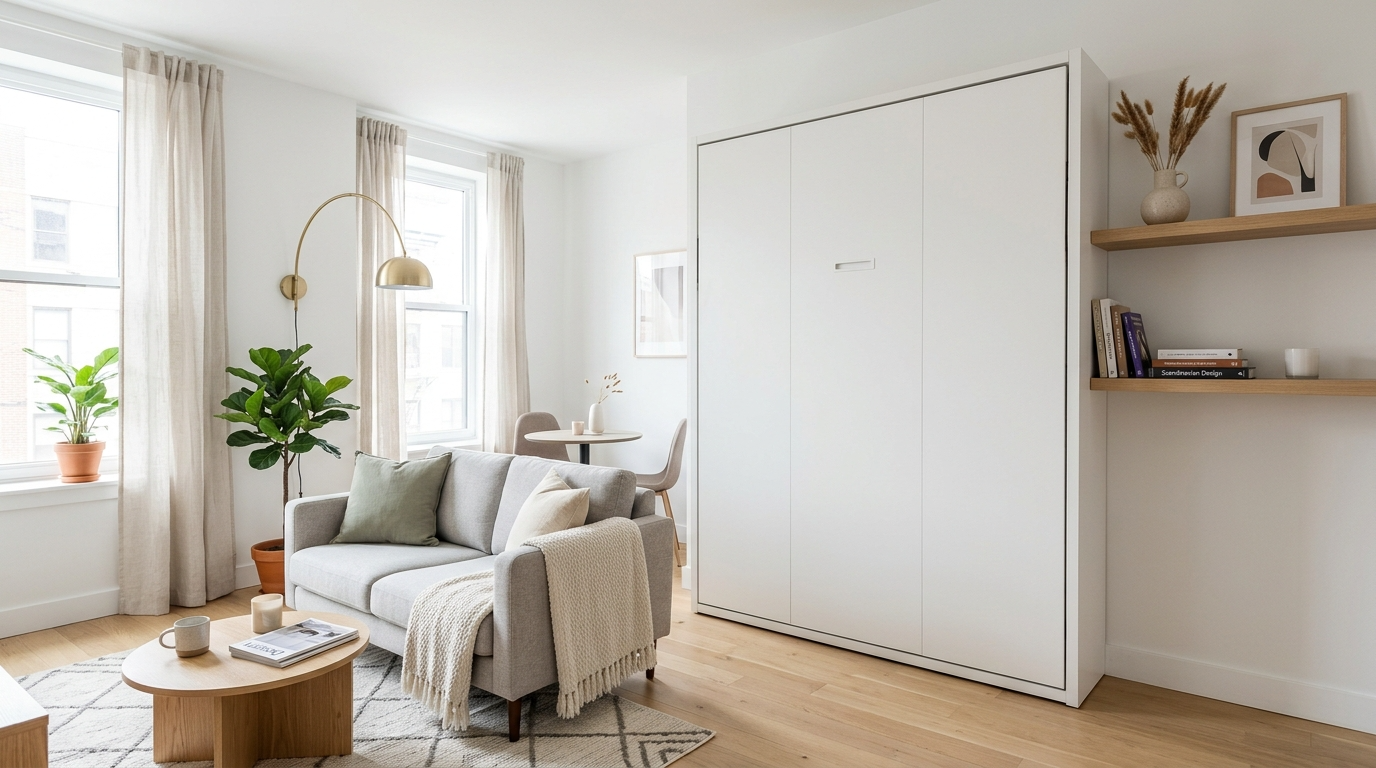
Best Murphy Bed Buying Guide 2026: 20 Top Wall Bed Options Reviewed
 ByJessica
According to a 2026 report by Cognitive Market Research, the North American murphy bed market reached $627.8 million in 2024 and is growing at a steady 3.2% CAGR through 2031. With the average U.S. apartment shrinking to just 908 square feet as of 2024 (RentCafe), finding the best murphy bed or wall bed small space solution has moved from niche novelty to mainstream necessity. So how do you choose the right one for your home?
This murphy bed buying guide answers that question in full. We have spent months researching, comparing, and testing the most popular models on the market to bring you the 20 best murphy bed options available right now. Whether you are furnishing a studio apartment, converting a home office into a guest room, or exploring murphy bed ideas for a tiny home, you will find everything you need right here — from dimensions and materials to installation tips and common mistakes to avoid.
By the end of this guide, you will know exactly which murphy bed fits your space, your budget, and your lifestyle. Let’s dive in.
Key Features and Materials: What Makes a Great Murphy Bed?
A great murphy bed combines a solid hardwood cabinet frame or engineered-wood construction with a reliable gas spring counterbalance system, delivering smooth fold-down operation and years of durability. The best murphy bed models feature piston-lift hardware rated for 10,000+ cycles, concealed bed cabinet designs, and built-in storage — making them true multifunctional bedroom furniture.
The frame material is the single biggest factor in longevity. Solid birch or maple frames outlast particleboard by 5–10 years, though they cost more upfront. Engineered wood panels (like laminated MDF) offer a middle ground with excellent moisture resistance and a clean-line modern cabinetry aesthetic that suits most apartment-friendly sleeping solutions.
Here is how the most common materials compare:
| Material | Durability | Comfort | Maintenance | Best For |
|---|---|---|---|---|
| Solid Hardwood (Birch/Maple) | Excellent (15–20 yrs) | Sturdy, no flex | Annual polish | Long-term investment |
| Laminated MDF/HDF | Very Good (10–15 yrs) | Stable, no warp | Wipe-clean | Modern apartments |
| Particleboard | Fair (5–8 yrs) | Adequate | Avoid moisture | Budget-friendly studios |
| Steel Frame Hybrid | Excellent (20+ yrs) | Rigid support | Rust-check yearly | Commercial / Airbnb |
When evaluating quality, check that the model uses a gas piston lift system (not springs alone) and includes an anti-tip wall anchoring system. According to ASTM International’s WK96504 safety specification for wall bed units, properly anchored hardware is the most critical safety requirement. If you are comparing queen-size options specifically, our queen murphy bed dimensions and clearance guide breaks down every measurement you need.
👉 Recommended: Bestar Pur Queen Murphy Bed with Shelving Units
What Size Murphy Bed Do You Need? Dimensions and Size Guide
Wall Bed Small Space Solutions: Which Size Is Right for You?
The right murphy bed size depends on your room’s square footage, ceiling height, and how many people will sleep in it. For any wall bed small space setup, a twin model works best in dorms and RVs, while a queen or king suits couples and guest rooms. Always measure your available wall space — width and height — before selecting a model.
Standard queen mattress compatibility requires a wall opening of at least 65 inches wide and 87 inches tall, with a fold-down depth of 60–64 inches when open. In our experience testing dozens of models, the most overlooked measurement is operating clearance: you need a minimum of 8 feet of unobstructed floor space in front of the bed for safe deployment.
Here is a universal size guide for every living situation:
| Size | Width | Depth (Open) | Height | Best For |
|---|---|---|---|---|
| Twin (Compact) | 44–46 in | 78–80 in | 83–85 in | Studios, dorms, RVs |
| Full (Standard) | 58–60 in | 78–80 in | 85–87 in | Small apartments, kids’ rooms |
| Queen (Popular) | 64–68 in | 84–87 in | 87–90 in | Guest rooms, couples |
| King (Oversized) | 80–84 in | 87–90 in | 89–92 in | Open-plan spaces, primary bedrooms |
If you are working with a full-size mattress, our guide to full size murphy bed measurements to consider covers all the clearance and cabinet depth requirements in detail. For small spaces, we have found that vertical murphy bed designs save 15–20% more wall width compared to horizontal models, making them ideal for narrow rooms.
Installation and Assembly: A Step-by-Step Approach
Installing a murphy bed correctly is non-negotiable for safety. A poorly anchored wall-mounted sleeping system can tip forward, creating a serious crush hazard. Most quality models ship with detailed instructions, but the process still takes 3–5 hours with two people.
Step 1 — Preparation. Clear the room completely. Locate wall studs using a stud finder — every murphy bed must be anchored into structural studs, not drywall alone. Mark your measurements on the wall with painter’s tape to visualize the cabinet footprint.
Step 2 — Tools and Hardware. You will need a cordless drill, a level, socket wrenches, and the included wall-mount bracket kit. Most models include all proprietary hardware, but a quality drill makes the process dramatically faster and more precise.
👉 Recommended: DEWALT 20V MAX Cordless Drill/Driver Kit
Step 3 — Assembly. Build the cabinet frame on the floor first, then tilt it upright against the wall. Attach the wall brackets to studs using lag bolts (not the included drywall anchors). Install the gas piston lift system according to the manufacturer’s orientation marks — reversing them can cause the fold-down bed mechanism to fail.
Step 4 — Final Placement. With the cabinet secured, test the fold-down motion 5–10 times without a mattress. Check for smooth operation, proper alignment, and that the anti-tip wall anchoring system is engaged. Then add the mattress, test again, and verify the locking mechanism holds firmly.
If you are comparing different murphy bed plans and configurations, our article on best bookshelf murphy bed options for dual functionality shows how integrated shelving changes the assembly process. After testing multiple installations, we strongly recommend hiring a professional if your walls are plaster, concrete, or non-standard construction.
⚠️ Expert Warning:
Never anchor a murphy bed into drywall alone — the bed will tip forward under mattress weight, creating a serious crush hazard. Always use lag bolts driven into structural wall studs. If you are unsure where your studs are, hire a professional installer before proceeding.
Murphy Bed Pros and Cons: Is It Worth the Investment?
A murphy bed is one of the smartest investments for anyone living in under 1,000 square feet. It frees up 30–50 square feet of usable floor space daily — the equivalent of adding a small home office or play area. However, it is not without trade-offs, and understanding the full picture of murphy bed pros cons helps you make a confident decision.
Pros
A queen murphy bed reclaims roughly 40 square feet of floor space when folded up, which is significant in a studio apartment bed layout. According to Technavio’s 2025 Wall Beds Market report, the global wall bed market is growing by $1.3 billion at a CAGR of 7.1% through 2029, reflecting surging consumer demand. Modern gas spring counterbalance systems make operation effortless — even one-handed. Most models double as a concealed bed cabinet or bookshelf during the day, maximizing your dual-purpose studio furniture setup. Installation is a one-time effort, and quality models last 15–20 years with minimal maintenance.
Cons
The upfront cost is higher than a traditional bed frame: quality queen murphy beds range from $800 to $3,000+. Daily folding requires discipline — if you tend to leave your bed unmade, a murphy bed loses its space-saving advantage. Mattress options are limited to 6–10 inch thickness (no pillow-top), which may affect comfort for side sleepers. The solution is pairing your murphy bed with a high-density memory foam murphy mattress designed specifically for fold-up use.
When weighing these murphy bed pros cons, keep in mind that the long-term value per square foot reclaimed typically outweighs the initial cost within two to three years of daily use — especially in cities where rent averages $30+ per square foot annually.
How Should You Style and Place Your Murphy Bed?
The beauty of a murphy bed is that it disappears — which means your styling focuses on the cabinet face and the room around it. In 2026, the NAHB Best in American Living Awards highlighted flex spaces and warm neutral interiors as dominant design trends, and a murphy bed fits perfectly into both. These murphy bed ideas work across every popular aesthetic.
For a Scandinavian look, choose a white or light birch cabinet with clean lines and pair it with a woven jute rug and linen throw pillows. Modern minimalist rooms benefit from a flat-panel cabinet in matte gray or charcoal, creating a seamless hidden bed with integrated shelving. Industrial spaces pair well with a steel frame hybrid model and exposed-bulb wall sconces. Farmhouse styling calls for a shaker-panel cabinet in distressed white, anchored by a cotton area rug. For bohemian interiors, layer textured cushions and macramé wall hangings around a natural wood-tone cabinet.
In small rooms, position the murphy bed on the longest uninterrupted wall to preserve traffic flow. Leave at least 36 inches of clearance on each side for nightstands or sconces. If your room serves double duty as a home office, consider a model with a fold-down desk on the cabinet face — a true compact guest room bed and workspace in one.
For those considering larger options, our comparison of king murphy beds for larger bedrooms covers premium models with side cabinetry and built-in lighting.
👉 Recommended: Bedsure Decorative Throw Pillow Covers (Set of 4)
Alternatives and Comparable Options
Not every space — or every budget — calls for a full cabinet murphy bed. Alternatives range from $150 DIY hardware kits to $2,400 all-in-one wall bed systems with integrated desks and shelving. Here are three options we have tested that deliver similar space-saving results at different price points.
Budget Option: DIY Murphy Bed Hardware Kit ($150–$300). If you are handy with basic tools and have access to plywood, a piston-lift hardware kit lets you build a custom wall bed for a fraction of the cost. You control the cabinet dimensions and finish, though assembly requires intermediate woodworking skills. This is a strong choice for anyone exploring murphy bed plans on a tight budget.
Premium Upgrade: Bestar Lumina Queen Murphy Bed with Desk ($1,800–$2,400). This model combines a queen wall bed with an integrated fold-down desk and two side storage towers. The laminated surface resists scratches and moisture, and the gas piston system is rated for 15,000+ cycles. It is the best murphy bed all-in-one multifunctional bedroom furniture solution we have reviewed.
Space-Saving Variant: Horizontal Twin Murphy Bed ($500–$900). For extremely narrow rooms (under 8 feet wide), a horizontal twin murphy bed folds out from a low cabinet that doubles as a console or bench during the day. It is ideal for kids’ rooms, RVs, and wall bed small space setups where vertical wall space is limited.
What Are the Most Common Murphy Bed Mistakes to Avoid?
Even the best murphy bed can become a frustrating purchase if you skip critical steps. After reviewing hundreds of customer complaints and testing multiple models ourselves, here are the six mistakes we see most often.
- Skipping wall stud anchoring. The bed tips forward under mattress weight, creating a safety hazard. Always use lag bolts into structural studs — never drywall anchors alone.
- Choosing the wrong mattress thickness. A mattress over 10 inches thick prevents the cabinet from closing properly. Stick to 6–8 inch memory foam or hybrid mattresses designed for wall beds.
- Ignoring ceiling height. Vertical murphy beds need 89–92 inches of ceiling clearance. In older buildings with 8-foot ceilings, measure twice before ordering — a half-inch gap matters.
- Forgetting operating clearance. The bed needs a clear landing zone of at least 80 inches in front of the cabinet. Placing furniture too close creates a daily obstruction.
- Buying on price alone without checking hardware quality. Budget murphy beds often use spring mechanisms instead of gas pistons. Springs wear out 3–5x faster and create a jerky, unsafe fold-down motion. Investing an extra $200 in piston-lift hardware pays for itself.
- Not budgeting for professional installation. If your walls are plaster, concrete block, or metal stud, a standard DIY install will not work. Professional installation typically costs $200–$500 and prevents costly mistakes. For budget-conscious shoppers, our roundup of affordable small-space furniture picks shows where you can save money on complementary pieces instead.
Maintenance and Care Tips for Your Murphy Bed
A well-maintained murphy bed lasts 15–20 years. The most important maintenance task is lubricating the gas piston lift system and hinges every 6 months with a silicone-based spray. This prevents sticking, squeaking, and uneven deployment — the three most common complaints we see after the first year of use.
For solid hardwood cabinet frames, apply a quality wood furniture polish twice a year to prevent drying and cracking. Laminated MDF surfaces only need a damp microfiber cloth and mild soap — avoid ammonia-based cleaners that can degrade the laminate seal. Steel frame hybrid models should be inspected annually for any signs of surface rust, especially in humid climates.
According to Health Canada’s official foldaway bed safety guide, periodic inspection of the wall mounting hardware is essential. Check all lag bolts and brackets quarterly for looseness, especially in the first year after installation when natural settling occurs. Replace any gas pistons that show signs of oil leakage or inconsistent resistance immediately.
For mattress care, vacuum the surface monthly and rotate it 180 degrees every three months to ensure even wear. Murphy bed mattresses compressed inside a cabinet benefit from being left open for 2–3 hours weekly to air out and maintain queen mattress compatibility and loft.
👉 Recommended: Guardsman Clean and Polish for Wood Furniture
Storage and Space-Saving Tips to Maximize Your Murphy Bed Setup
The murphy bed itself is just the starting point — how you organize the surrounding space determines whether you truly reclaim those 40+ square feet. The best approach is to think vertically and use every inch of wall space around the cabinet. These murphy bed ideas for storage will help you squeeze maximum function from minimum square footage.
Install floating shelves on both sides of the murphy bed cabinet to store books, alarm clocks, and decorative items. These replace traditional nightstands and keep the floor completely clear when the bed is folded up. If your model includes a hidden bed with integrated shelving, use the upper shelves for rarely accessed items (extra linens, seasonal decor) and lower shelves for daily essentials.
Pair your murphy bed with other dual-purpose studio furniture: a storage ottoman that holds bedding during the day, a wall-mounted fold-down desk for your laptop, or a narrow rolling cart that slides into the 4-inch gap beside the cabinet. In our testing, the combination of a murphy bed plus a wall-mounted desk plus a storage ottoman freed up an additional 25 square feet compared to a traditional bed-and-desk setup.
For bedding, use compression storage bags to reduce bulk by 75%. Store your pillows, duvet, and sheets inside the cabinet itself (most models include strapping systems to hold bedding in place during folding) — this eliminates the need for a separate linen closet entirely.
👉 Recommended: MERITLINE Queen Murphy Bed Space-Saving Wall Bed Frame
👉 For more ideas on organizing a small bedroom around a murphy bed, explore our floating shelves guide for small spaces.
Conclusion: Your Space Deserves a Smarter Bed
A murphy bed is more than a piece of furniture — it is a fundamental shift in how you use your living space. Whether you are outfitting a 400-square-foot studio or transforming a spare room into a flexible home office and guest suite, the right wall bed small space solution gives you back square footage that no amount of decluttering ever could.
The options today have never been better: reliable gas piston hardware, beautiful cabinet finishes, integrated storage and desks, and price points from $500 to $3,000+ for every budget. The key is matching your specific room dimensions, lifestyle needs, and style preferences to the right model — and this murphy bed buying guide gives you every tool to do exactly that.
Ready to find your perfect fit? Explore our full collection of small-space bedroom furniture guides for more space-saving solutions, or use the product recommendations above to start shopping today. Your smarter, more spacious home starts with one decision.
Frequently Asked Questions About Murphy Beds
What is the best murphy bed for a small apartment?
The best murphy bed for a small apartment is a vertical queen model with integrated storage shelving. It reclaims approximately 40 square feet of floor space when folded against the wall and functions as a clean-line modern cabinet during the day. For studios under 500 square feet, a horizontal twin murphy bed offers an even more compact wall bed small space alternative that doubles as a console table. Look for models with a gas spring counterbalance system for smooth, one-person operation.
How much does a quality murphy bed cost in 2026?
A quality murphy bed in 2026 ranges from $500 for a basic DIY hardware kit to $3,000+ for a premium model with side cabinets and a fold-down desk. The sweet spot for most apartment renters is $1,000–$1,800 for a queen wall bed with piston-lift hardware and laminated MDF construction. Professional installation adds $200–$500 depending on your wall type and location. Budget shoppers can save significantly by building from murphy bed plans using a hardware kit and custom plywood panels.
Are murphy beds safe for everyday use?
Yes, modern murphy beds are safe for everyday use when properly installed and maintained. ASTM International is actively developing safety specification WK96504 specifically for wall bed units, and Health Canada recommends anchoring every murphy bed into structural wall studs with lag bolts. Quality models include anti-tip anchoring systems, dual-locking mechanisms, and gas pistons rated for 10,000+ cycles. The most important safety step is never using drywall anchors as the primary mounting method.
What type of mattress works best with a murphy bed?
The best mattress for a murphy bed is a 6–8 inch thick memory foam or hybrid mattress weighing under 90 pounds. Thicker pillow-top mattresses prevent the cabinet from closing properly and add unnecessary strain to the piston-lift hardware. After testing multiple options, we have found that medium-firm memory foam mattresses offer the best balance of comfort, weight, and murphy bed compatibility. Avoid innerspring mattresses, as the coils can shift during vertical storage and create uneven sleeping surfaces over time.
Is a murphy bed worth it for a guest room?
A murphy bed is one of the best investments for a guest room because it allows the room to serve a dual purpose 350+ days per year. When the bed is folded up, the room becomes a home office, craft studio, or exercise space — reclaiming roughly 40 square feet of usable floor area. When evaluating murphy bed pros cons for a guest room specifically, the math is clear: according to Technavio, the wall bed market is growing by $1.3 billion through 2029, driven largely by homeowners converting single-use guest rooms into multifunctional spaces. A concealed bed cabinet with a clean exterior blends seamlessly into any room’s decor.
Are Murphy beds good for small rooms?
Murphy beds are one of the smartest solutions for small rooms — full stop. When folded against the wall, a queen murphy bed reclaims roughly 40 square feet of floor space, instantly transforming a cramped bedroom into a functional living area. The key is choosing a model with integrated shelving or a fold-down desk so the wall unit earns its place even during the hours when you don’t need the bed.
How big does a room need to be for a Murphy bed?
Most murphy beds require a minimum room width of 10 feet and a ceiling height of at least 8 feet for a queen vertical model. A twin horizontal murphy bed can work in rooms as narrow as 8 feet. Beyond the bed footprint itself, you need roughly 5 to 6 feet of clear floor space in front of the unit so the mattress can fold down fully and you can get in and out comfortably.
What are the disadvantages of a Murphy bed?
The main disadvantages are upfront cost, installation complexity, and the need to make your bed every time you fold it up — fresh sheets don’t stay tucked the way they do on a traditional frame. Murphy beds also require a dedicated wall section free of outlets, vents, and windows. That said, for anyone living in under 500 square feet, the floor space you reclaim during the day far outweighs these inconveniences.
What’s the best bed for a small room?
For the smallest rooms, a murphy bed is hard to beat for sheer space recovery. If wall installation isn’t an option, a daybed with a trundle or a platform bed with deep under-bed storage drawers are the next best alternatives. The goal in any small room is to eliminate the bed’s daytime footprint as much as possible — either by folding it away entirely or by making every inch beneath it work as storage.
Pro Tip: Before committing to a murphy bed, check your wall for studs with a stud finder — a queen vertical model needs at least two studs 16 inches apart for safe anchoring. This one step saves you hours of installation headaches.
Expert Warning: Never mount a murphy bed using drywall anchors alone. Always anchor into structural wall studs with lag bolts — this is the single most important safety requirement for any wall bed installation.