Small Bedroom Color Schemes: 10 Ideas That Actually Work

Table of Contents
Why Color Is Your Most Powerful Small Bedroom Tool
Walk into a small bedroom painted the wrong shade, and it feels like a closet. Walk into that same room with the right small bedroom color scheme, and suddenly it breathes.
Color doesn’t change your square footage — but it absolutely changes how your brain reads the space. The right small bedroom color scheme can make low ceilings feel taller, a narrow room feel wider, and a cramped corner feel intentional rather than accidental. That’s not a design trick. That’s how light and perception work.
The good news? You don’t need to be a color expert to get this right. These 10 small bedroom color schemes are tested, livable, and — most importantly — they work in real rooms, not just glossy magazine spreads. Whether you’re renting, redecorating on a budget, or doing a full refresh, there’s a color scheme here for your space.
Planning the full room layout before you paint? Start with this guide to small bedroom ideas that maximize your space — it’ll help you see the color scheme in context before you commit to a can of paint.
1. Warm Sage Green — The Earthy Bedroom Trend
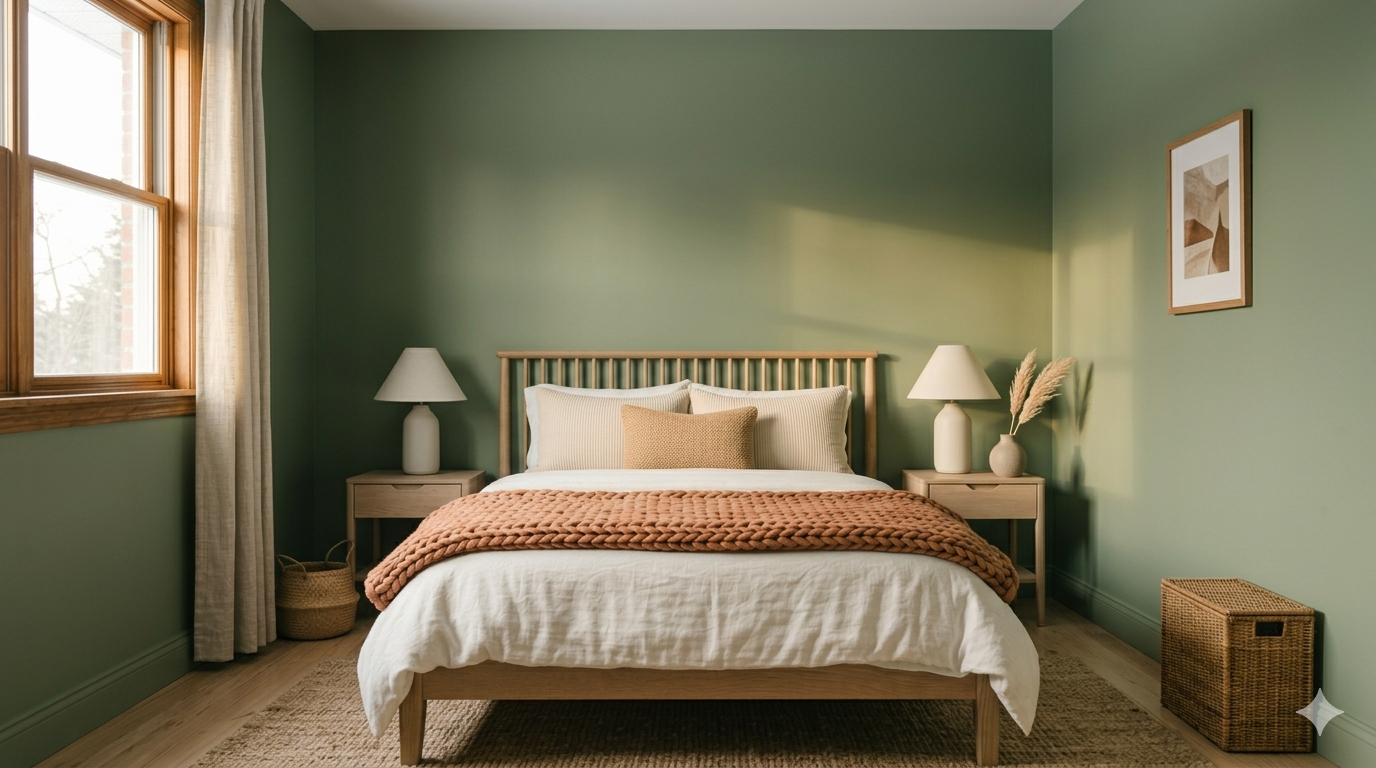
Warm sage green has become one of the most popular small bedroom color schemes over the past few years — and it’s not going anywhere, because it genuinely works. Unlike cooler greens that feel clinical or cold, warm sage has earthy, muted undertones that make a small bedroom feel grounded and calm without feeling heavy.
The key to this small bedroom color scheme is to go warm, not bright. You’re looking for a shade with grey and brown undertones — think dried herbs, not fresh spring leaves. Paired with natural linen bedding, oak wood furniture, and woven textures, warm sage creates an earthy, cozy atmosphere that reads larger than it is because the color doesn’t compete with anything in the room.
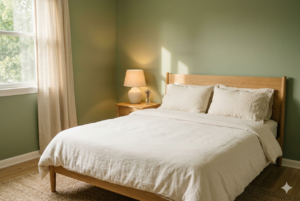
Popular paint options for this small bedroom color scheme include Sherwin-Williams Evergreen Fog (SW 9130) and Sage (SW 0016) — both are widely recommended for their warmth and versatility in compact rooms. You can explore the full palette on the Sherwin-Williams green paint color selector.
What to pair it with: cream linen duvet, natural oak nightstand, jute rug, terracotta ceramic accessories.
Best for: renters who want a trendy-but-livable small bedroom color scheme, north-facing rooms that need warmth.
Pro Tip: If you’re renting and can’t paint, sage green removable wallpaper panels on the headboard wall give you the same small bedroom color scheme effect — and they peel off cleanly when you move out.
2. Warm Oatmeal Walls — The Safe Neutral That Works
“Neutral” doesn’t mean boring. Warm oatmeal — sometimes called linen white or soft greige — is one of the most reliably flattering small bedroom color schemes you can choose. It has just enough warmth to feel inviting, just enough lightness to keep the room airy, and it works with virtually any furniture style.
What makes this small bedroom color scheme particularly effective in compact spaces is its reflectivity. A warm off-white bounces light around the room more effectively than stark bright white, which can actually create harsh contrasts that make a small room feel choppy. Oatmeal smooths everything out and keeps the eye moving freely around the space.
📊 Light Reflectance Values (LRV) — Quick Guide for Small Bedroom Color Schemes
| Color Type | LRV Range | Effect in Small Rooms |
|---|---|---|
| Stark bright white | 85–95 | Can feel harsh; amplifies shadows |
| Warm off-white / oatmeal | 70–82 | Best light reflection, no harshness ✅ |
| Warm greige / sage | 50–68 | Cozy and grounded, slightly darker |
| Deep accent (terracotta, navy) | 15–35 | Use on one wall only in a small room |
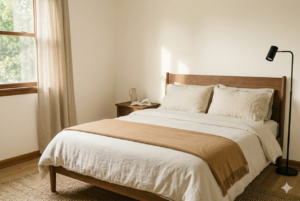
What to pair it with: warm wood tones, cream and camel textiles, black metal hardware, natural fiber rugs.
Best for: any size room, any light direction — this small bedroom color scheme is the universal starting point and the hardest to get wrong.
3. Terracotta Accent Wall — Bold Without Overwhelming
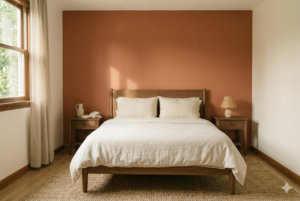
Terracotta is the kind of color that looks intimidating in a paint chip but transforms a small bedroom color scheme into something that feels genuinely designed. The trick — and it’s a simple one — is to use it on one wall only: the wall behind the headboard.
This feature wall approach is the cornerstone of bold small bedroom color schemes in compact spaces. Instead of wrapping a strong color around the entire room (which makes a small bedroom feel heavy and enclosed), you anchor it to one surface. The terracotta wall frames the bed, creates visual depth, and draws the eye — so the room feels layered and intentional, not just painted.
Pair it with warm oatmeal on the remaining three walls, and the contrast does the rest. Benjamin Moore’s Earthen Jug (2175-30) and Roasted Sesame Seed (2164-30) are two standout options for this small bedroom color scheme — both lean warm and earthy without going full orange. Browse similar options in the Benjamin Moore warm earth tones collection.
What to pair it with: cream linen bedding, warm wood furniture, earthy ceramic vases, jute or wool rugs.
Best for: south-facing rooms with good natural light; anyone who wants warmth without going all-in on a dark small bedroom color scheme.
Expert Warning: Terracotta can read orange-red under certain artificial lighting — especially cool LED bulbs. Always test your paint swatch under your actual bedroom light before committing to this small bedroom color scheme. Daylight bulbs with a warm 2700K color temperature will keep it looking earthy instead of garish.
See how terracotta pairs with the right bedroom furniture in this guide to best storage beds for small bedrooms.
4. Dusty Blue — Calming and Spacious
Dusty blue is one of the few small bedroom color schemes that genuinely makes a room feel more spacious — not because of any trick, but because cool colors visually recede. Darker colors advance toward you; cooler colors retreat. That optical effect, subtle as it sounds, makes your walls feel farther away than they actually are.
But not just any blue works as a small bedroom color scheme. Bright or saturated blues can feel cold and institutional in a compact room. What you want is dusty blue — a muted, grey-toned shade that sits somewhere between slate and sky. It’s calming without being cold, airy without being stark, and it works beautifully in rooms that need to feel more open.
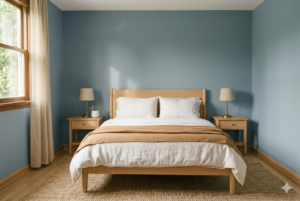
What to pair it with: warm whites, natural linen, blond wood furniture, brass hardware (the warm metal keeps this small bedroom color scheme from tipping too cold).
Best for: east-facing bedrooms where morning light makes dusty blue sing; anyone who struggles with sleep — cool-toned small bedroom color schemes have a genuinely calming effect on the nervous system.
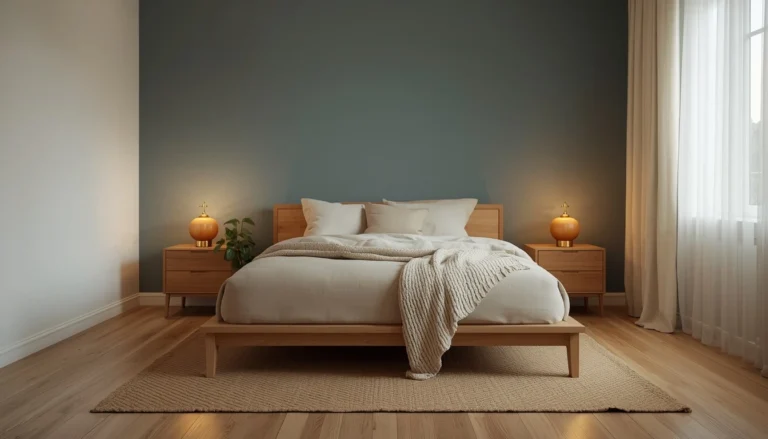
Pro Tip: Add a warm-toned table lamp on each nightstand. The contrast between the cool wall color and the warm lamplight creates a layered, boutique-hotel feel — the hallmark of a well-executed small bedroom color scheme. See our full guide to bedroom lighting for small spaces.
5. Warm Greige — The Designer’s Neutral
Greige — the blend of grey and beige — has replaced plain grey as the go-to neutral small bedroom color scheme, and for good reason. Pure grey can turn cold and flat in a small bedroom, especially if your natural light is limited. Greige adds just enough warmth to keep the room from feeling like a concrete box while retaining the calm, understated quality that makes grey so popular.
When choosing this small bedroom color scheme, look for shades with brown or pink undertones rather than purple or blue, which lean cold. A simple test: hold your paint chip next to a piece of warm wood furniture — if they feel harmonious rather than clashing, you’ve found your shade.
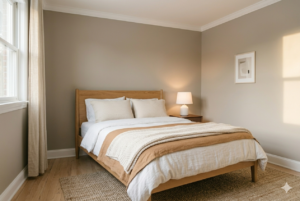
What to pair it with: white trim and crown molding (makes the walls look taller within this color scheme), warm oak or walnut furniture, textured bedding in cream and camel.
Best for: small bedrooms with limited natural light; anyone who wants a polished, cohesive small bedroom color scheme without committing to a specific color mood.
6. Soft White + Warm Wood Accents
This is the small bedroom color scheme that never fails. Soft white walls — not bright white, not cool white, but the kind with a hint of cream in them — create the maximum sense of space in a small bedroom. They reflect light, they don’t compete with your furniture, and they make every textile and wood tone pop against the clean background.
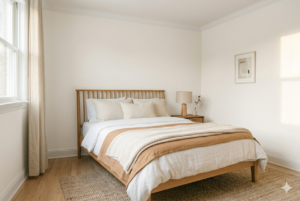
The warm wood element is what elevates this small bedroom color scheme from plain to polished. An oak bed frame, walnut nightstands, or even just a single piece of wooden furniture introduces organic warmth that grounds the white and makes the room feel genuinely lived-in rather than staged or sterile.
For inspiration on how professional designers execute this classic small bedroom color scheme, Better Homes & Gardens maintains a well-curated gallery of small bedroom paint ideas — useful for visualizing how different whites read in actual rooms before you commit.
What to pair it with: warm linen bedding and a textured area rug prevent this small bedroom color scheme from looking too spare. Almost anything works as an accent against soft white.
Best for: very small rooms (under 100 sq ft) where maximizing the sense of space is the priority; also ideal for anyone who switches up bedding and decor seasonally, since this color scheme is a clean, flexible canvas.
7. Two-Tone Walls — Lower Half Earthy, Upper White
This is one of the most underused small bedroom color schemes, and it’s surprisingly easy to pull off. Paint the lower half of your walls — from floor to roughly chair-rail height, around 32–36 inches up — in a deeper earthy tone: warm terracotta, olive, sage, or caramel. Keep the upper half and ceiling white.
Why does this small bedroom color scheme work so well in compact spaces? It grounds the room visually, makes the ceiling feel higher (white always recedes upward), and adds visual interest without enclosing the space. The room looks designed and considered. And it takes about the same amount of effort as painting four full walls, but with a far more interesting result.
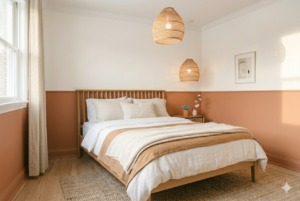
What to pair it with: the specific lower color will guide the rest of the scheme. Use the guides in sections 1, 3, or 5 as your starting point, then keep the upper walls and ceiling soft white.
Best for: rooms with low ceilings where this small bedroom color scheme creates an optical illusion of height; renters who want a bold look without overwhelming commitment.
Expert Warning: Use painter’s tape and take your time creating a perfectly clean horizontal line. A wavy or uneven line between the two tones will undermine the entire small bedroom color scheme. Level your tape with a spirit level — don’t eyeball it.
8. Dark Green Moody Wall (Headboard Side Only)
Deep, forest-toned greens — bottle green, hunter green, or deep moss — represent the moody, dramatic end of small bedroom color schemes, and more small bedroom owners should consider them. The common fear is that dark colors make small rooms shrink. In practice, when used strategically as part of a small bedroom color scheme, a dark accent wall creates depth and makes the room feel more intentional and designed, not smaller.
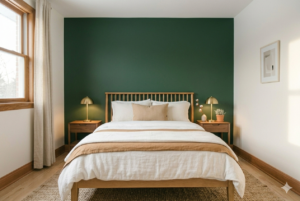
The rule for this small bedroom color scheme: one wall only, always the headboard wall. Keep the other three walls white or very light. Add decent lighting, and the contrast between the dark focal wall and the light perimeter gives the room real dimension — the kind that makes a small bedroom feel like a deliberate design choice.
What to pair it with: warm white bedding (the contrast is everything in this color scheme), brass or gold accents, natural wood furniture to keep it earthy rather than dramatic.
Best for: north-facing rooms that already feel cool — deep green leans warmer than dark grey or navy; anyone who wants a sophisticated, high-end small bedroom color scheme without a full renovation.
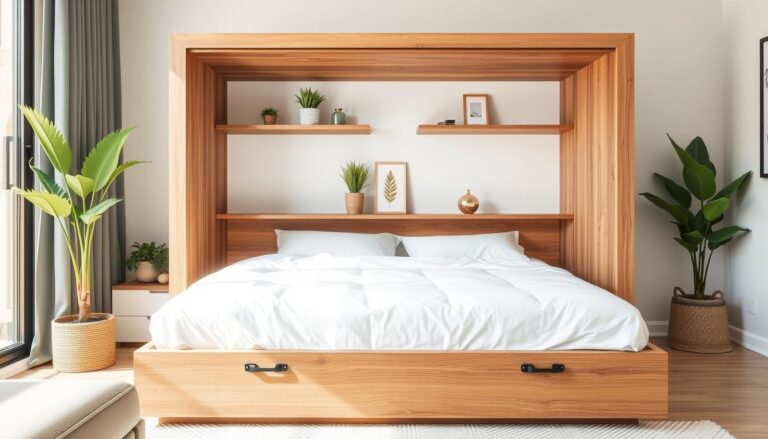
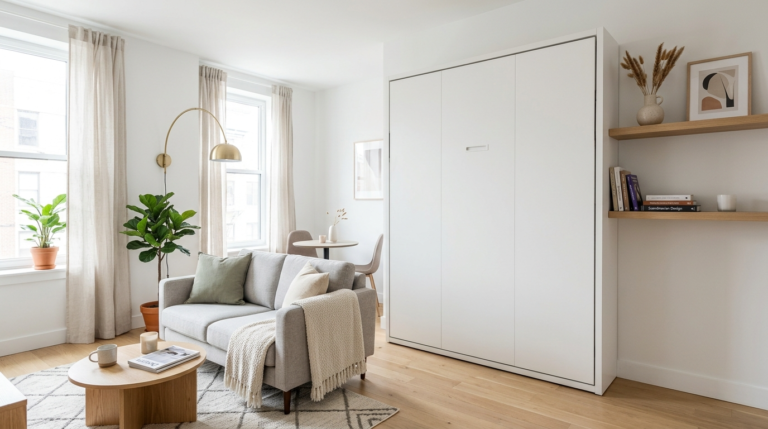
Pro Tip: Deep green walls pair exceptionally well with a murphy bed in a very small bedroom — the wall-fold mechanism almost disappears into the dark color, keeping the small bedroom color scheme clean when the bed is up. See the full murphy bed guide for the options that work best with bold wall colors.
9. Blush Pink + Warm Wood
Blush pink has earned its place as a legitimate small bedroom color scheme — not the saccharine, nursery-pink of previous decades, but a muted, dusty blush with grey or beige undertones. It’s soft, warm, and surprisingly gender-neutral when you pair it with the right elements.
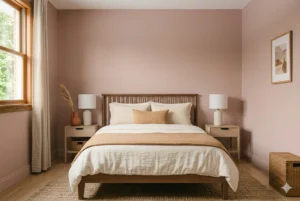
The warm wood is non-negotiable in this small bedroom color scheme. Without it, blush reads as sweet and one-dimensional. With it, the combination shifts into earthy, sophisticated territory. Think: blush walls, a walnut bed frame, cream linen, one or two terracotta ceramic accents. That’s a complete small bedroom color scheme that works in rooms of any size.
What to pair it with: walnut or oak furniture, cream and camel textiles, matte black hardware, woven baskets for storage.
Best for: small bedrooms with limited natural light — blush reflects light warmly without the starkness of full white; anyone who wants a warm, inviting small bedroom color scheme without the visual weight of terracotta or deep greens.
10. All-Neutral Tonal Bedroom
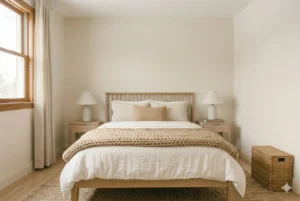
The tonal approach means layering different shades of the same neutral family — walls, bedding, rug, furniture — in a seamless gradient rather than one flat color. The result is a small bedroom color scheme that feels calm, cohesive, and effortlessly sophisticated without relying on a single strong hue to carry the room.
Done well, a tonal neutral small bedroom color scheme reads as intentional rather than safe. The secret ingredient is texture: when you remove color contrast from the scheme, texture becomes your visual interest. Think ribbed linen pillowcases, a chunky knit throw, a woven jute rug, and a matte-finish nightstand — each piece adds depth without adding color.
What to pair it with: anything in the same warm neutral family — creams, oatmeals, warm greys, soft taupes. Avoid mixing warm and cool neutrals in the same small bedroom color scheme; they clash in ways that are hard to pinpoint but easy to feel.
Best for: anyone who wants a timeless small bedroom color scheme that won’t look dated in five years; also ideal for shared bedrooms where both people need to agree on the palette.
What Colors Make a Small Bedroom Look Bigger?
Three principles, applied consistently, make any small bedroom color scheme feel more spacious:
1. Light reflects space. The lighter the wall color in your small bedroom color scheme, the more light it bounces back into the room — and the larger the room reads. Soft whites, oatmeals, and very light greiges maximize this effect without sacrificing warmth.
2. Cool colors recede. Blues and greens (in their muted, dusty versions) visually push the walls back in a small bedroom color scheme. Warm colors advance. That’s why a deep terracotta is best kept to one wall, while a dusty blue can wrap the whole room without making it feel smaller.
3. Continuity creates flow. A small bedroom color scheme where walls, ceiling, and floor tones all relate to each other feels larger than a room with high contrast between every surface. The less visual “chop” in your color scheme, the more spacious the space reads overall.
📊 Small Bedroom Color Scheme Cheat Sheet
| Goal | Best Color Scheme Choice | Avoid |
|---|---|---|
| Maximize light + space | Soft white, warm oatmeal | Bright white (creates harsh shadows) |
| Add warmth without weight | Warm greige, blush, sage | Saturated reds or oranges on all walls |
| Create depth + drama | Dark green or terracotta (one wall only) | Dark color on all four walls |
| Make ceiling feel higher | Two-tone color scheme, white ceiling | Dark ceiling in a low-ceiling room |
| Timeless, no-trend look | All-neutral tonal color scheme | Strong trendy accent colors |
FAQ — Small Bedroom Color Schemes
What are the best small bedroom color schemes to make a room look bigger?
The best small bedroom color schemes for making a room look bigger are light, warm neutrals — soft white, warm oatmeal, or light greige. They reflect natural light back into the room and avoid the visual contrast that makes walls feel closer. Muted dusty blues also work well: cool tones optically recede, making walls feel farther away than they are.
Can I use dark colors in a small bedroom color scheme?
Yes — strategically. A dark color on one wall (almost always the headboard wall) adds depth and drama without making the room feel smaller. Keep the remaining three walls light. The contrast between a dark feature wall and light surroundings in a small bedroom color scheme actually creates an illusion of more space, not less.
Should all four walls be the same color in a small bedroom?
Not necessarily. A single accent wall — always the headboard wall — in a deeper or contrasting tone can make a small bedroom color scheme feel more layered and spacious than four identical walls. The key is to keep the accent wall intentional and the contrast balanced.
What colors should I avoid in small bedroom color schemes?
Avoid saturated, bright colors on all four walls — they advance visually and make a small bedroom feel enclosed. Also avoid stark cool white if your bedroom has limited natural light; it can feel cold and clinical. Avoid mixing warm and cool neutrals in the same small bedroom color scheme, as they create a visual disconnect that makes the space feel off.
How do I choose a small bedroom color scheme if I don’t know where to start?
Start with your largest, hardest-to-change piece — usually the bed frame or the floor. Pull the undertones from that piece and build your small bedroom color scheme around it. Warm wood floor? Go warm on the walls: oatmeal, greige, or sage. Cool grey carpet? Dusty blue or soft white will harmonize naturally.
Does ceiling color matter in a small bedroom color scheme?
Absolutely. Keep your ceiling the same color as your walls or slightly lighter. A white or very light ceiling on a colored-wall room adds height. A ceiling painted the exact same shade as the walls — called a color-drenched look — can feel intentionally cozy in small bedroom color schemes done in light-to-mid tones, but suffocating if the color is dark.
The Right Small Bedroom Color Scheme Is a Starting Point, Not the Finish Line
Paint is the fastest, most affordable transformation you can make in a small bedroom. But even the best small bedroom color scheme works together with your furniture, your lighting, and your textiles — not in isolation. Before you pick up a roller, think about how the room will be lit, what furniture pieces are staying, and what feeling you want to walk into every morning.
A warm sage green wall in a room with warm-white lamps and natural linen bedding feels like a spa. That same small bedroom color scheme under cool fluorescent lighting with mismatched furniture feels like a waiting room. The paint color is identical. The context is everything.
Start with one of these 10 small bedroom color schemes, pull your swatches, and test them in your actual bedroom light before you commit. Your small bedroom has more potential than you think — and the right color scheme is often the simplest place to start.
Ready to tackle the full layout? See these small bedroom ideas for maximizing your space — color and furniture working together make all the difference.
Disclosure: This post contains affiliate links. If you purchase through one of our links, we may earn a small commission at no extra cost to you. We only recommend products we genuinely believe in. As an Amazon Associate, I earn from qualifying purchases. — Jessica