Essential Guide to Living Room Lighting: Smart Solutions for Every Space and Style

Introduction
Did you know that 68% of homeowners identify poor lighting as their biggest décor frustration, yet only 23% invest in proper lighting design during their initial room setup? Living Room Lighting plays a decisive role in how a space feels and functions, whether you’re furnishing a compact studio apartment or designing a spacious open-concept living area.
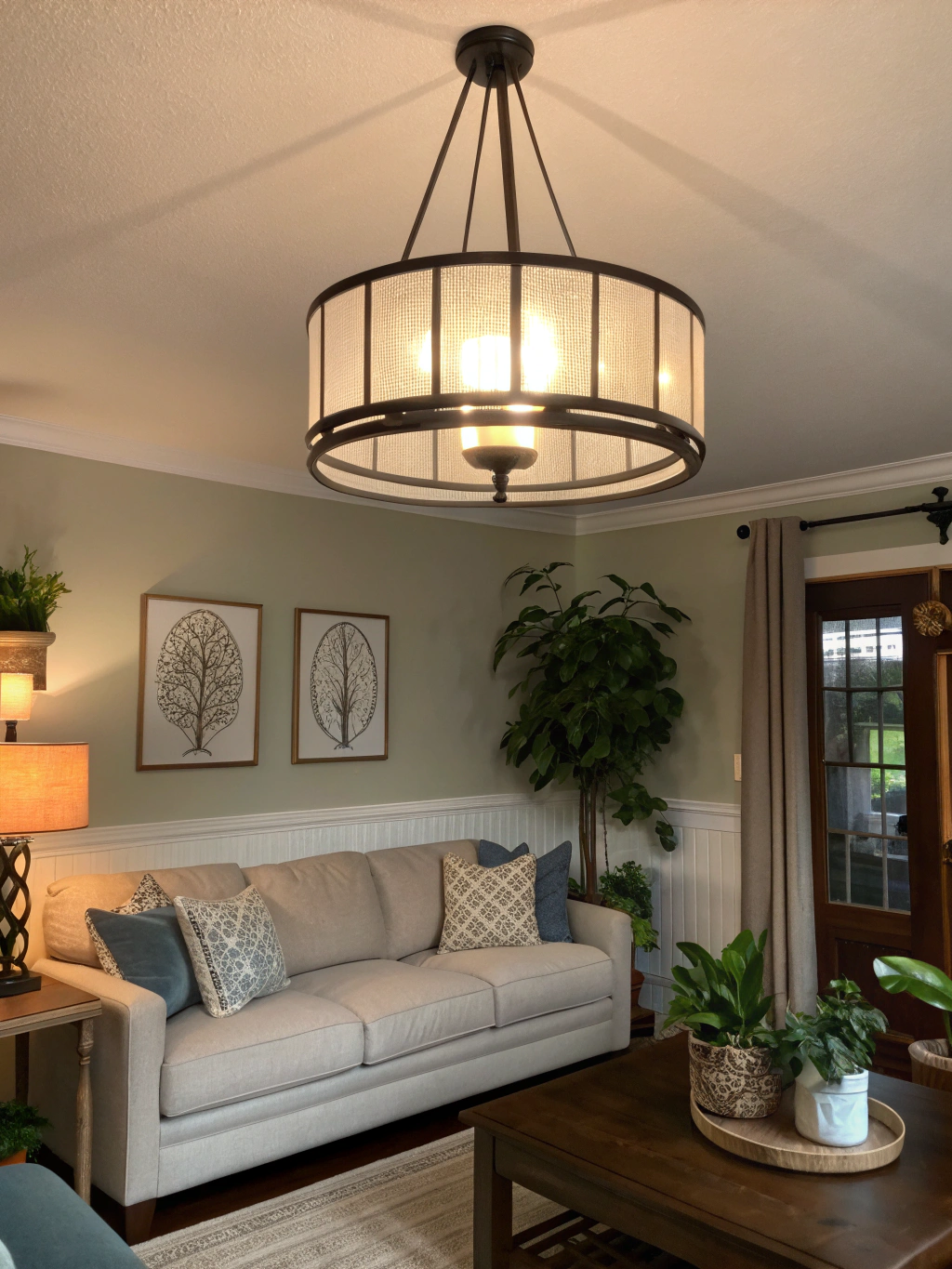
Mastering Living Room Lighting isn’t simply about adding brightness — it’s about creating layered illumination that adapts to your lifestyle, highlights your furniture and décor, and enhances overall comfort. From modern living room lighting ideas that emphasize clean architectural lines to cozy lighting décor that prioritizes warmth and intimacy, the right lighting strategy can make even the smallest room feel open, welcoming, and visually balanced.
Today’s lighting innovations go far beyond traditional overhead fixtures. Smart dimming systems, energy-efficient LED technology, and space-saving fixture designs have transformed how we approach residential illumination, making professional-quality living room lighting accessible for every style, room size, and budget.
Key Features & Materials Overview
Modern lighting fixtures incorporate advanced materials and technologies that deliver both aesthetic appeal and long-term performance. LED technology now dominates the market, offering 25,000-hour lifespans while consuming 75% less energy than traditional incandescent bulbs. Premium fixtures feature powder-coated metal finishes, tempered glass diffusers, and high-grade aluminum heat sinks that prevent color shifting over time.
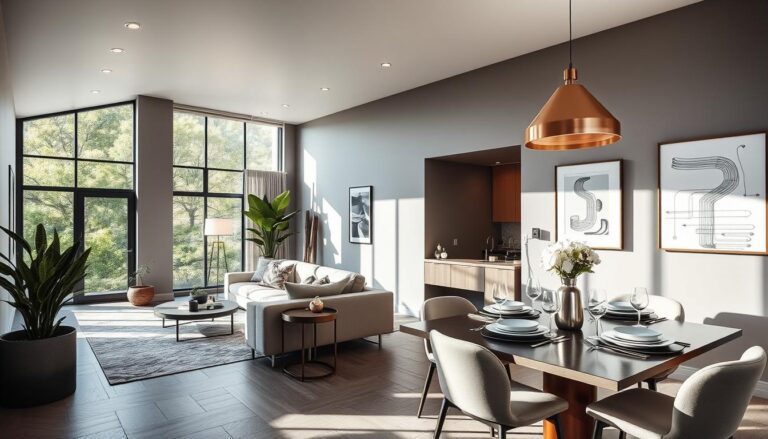
Contemporary pendant lights often utilize brushed brass, matte black steel, or warm copper finishes that resist tarnishing and fingerprints. Glass components range from clear crystal to frosted opal, each affecting light distribution differently. Fabric lampshades made from performance textiles resist fading and offer easy maintenance, while natural materials like rattan and bamboo bring organic texture to minimalist spaces.
Smart lighting systems integrate seamlessly with home automation platforms, featuring wireless connectivity, voice control compatibility, and programmable scheduling. High-quality fixtures include integrated dimming capabilities, eliminating the need for separate dimmer switches and providing smoother light transitions.
For more inspiration on how lighting transforms small, intimate spaces, explore 15 Bedroom Lighting Ideas for Small Rooms, a helpful guide that highlights smart illumination strategies for compact layouts.
🛒 Recommended Product:
Philips Hue White and Color Ambiance Smart Bulb Starter Kit
[Internal Link 1: Complete Guide to Smart Home Lighting Systems]
Dimensions & Size Guide
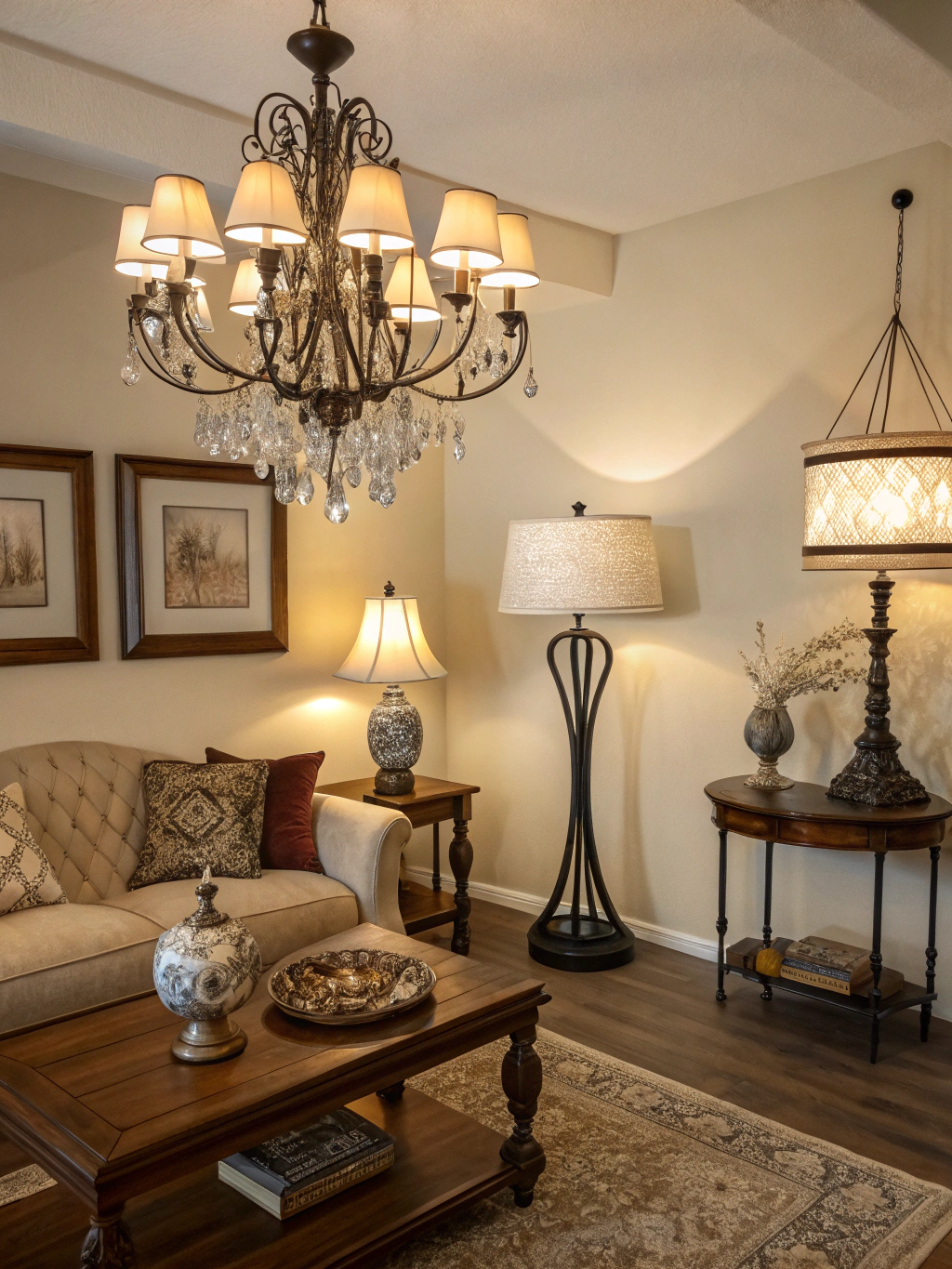
Proper scaling ensures your lighting choices complement rather than overwhelm your space. Small living room lighting solutions require careful attention to proportions, while larger rooms can accommodate statement pieces that would dominate compact areas.
For pendant lights over coffee tables, maintain 30-36 inches between the fixture bottom and table surface. Ceiling lighting for living room installations should provide 7-8 feet minimum clearance in standard-height rooms. Wall sconces perform best when mounted 60-66 inches from floor level, creating optimal task and ambient lighting without glare.
If you’re looking for a deeper breakdown of fixture sizing, placement, and lighting layouts, our Essential Guide to Living Room Lighting: Smart Solutions for Every Space and Style offers a detailed perspective on creating balanced illumination in any room size.
📊 Universal Size Table
| Size Type | Width | Depth | Height | Best For |
|---|---|---|---|---|
| Compact | 12-18″ | 6-12″ | 8-15″ | Studios, RVs |
| Standard | 20-30″ | 12-18″ | 16-24″ | Small homes |
| Oversized | 32-48″ | 20-30″ | 26-36″ | Large layouts |
Consider room proportions when selecting fixture sizes. In rooms under 150 square feet, choose fixtures with maximum 24-inch diameters to maintain visual balance. Larger spaces accommodate dramatic chandeliers and multi-pendant installations that create focal points without overwhelming the architecture.
[Internal Link 2: Room Layout and Furniture Spacing Guide]
Installation & Assembly Process
Step 1 — Preparation
Turn off electricity at the breaker box and verify power is off using a non-contact voltage tester. Gather necessary tools: wire strippers, electrical tape, wire nuts, and a stable ladder. Review local electrical codes, as some municipalities require licensed electrician installation for hardwired fixtures.
Step 2 — Tools & Hardware
Most fixtures include mounting hardware, but verify you have appropriate anchors for your ceiling type. Drywall installations require toggle bolts or ceiling anchors rated for the fixture weight. Plaster ceilings may need specialized screws and pilot holes to prevent cracking.
Step 3 — Assembly
Connect wiring following manufacturer instructions: black (hot) to black, white (neutral) to white, and green/bare (ground) to the grounding screw. Use wire nuts rated for the gauge and number of wires being connected. Secure all connections with electrical tape for additional safety.
Step 4 — Final Placement
Mount the fixture securely and test all functions before completing installation. Install bulbs according to wattage specifications—exceeding maximum wattage can cause overheating and fire hazards.
⚠️ Professional Warning: Electrical work carries serious safety risks. When in doubt, consult a licensed electrician, especially for new circuit installation or complex smart lighting systems.
To discover more targeted lighting techniques, including how to highlight décor or create subtle accents, take a look at our Recessed Puck Lighting Guide: Best Uses & Ideas, which covers practical applications for modern layered lighting.
🛒 Recommended Product:
Klein Tools Electrical Installation Kit with Voltage Tester
Pros & Cons
Advantages:
- Energy Efficiency: LED fixtures reduce electricity costs by 70-80% compared to incandescent lighting
- Longevity: Quality fixtures last 15-25 years with minimal maintenance
- Ambiance Control: Dimming and color temperature adjustment create mood versatility
- Property Value: Professional lighting design increases home resale value by 3-5%
- Health Benefits: Proper illumination reduces eye strain and supports circadian rhythms
Limitations:
- Initial Investment: Quality fixtures and smart systems require $500-2,000 upfront costs
- Installation Complexity: Hardwired fixtures may need professional installation
- Technology Updates: Smart lighting systems may require firmware updates or compatibility adjustments
- Maintenance Access: High fixtures in vaulted ceilings challenge bulb replacement and cleaning
According to National Association of Home Builders data, 89% of homeowners who invest in comprehensive lighting upgrades report improved daily satisfaction with their living spaces.
Best Placement & Styling Ideas
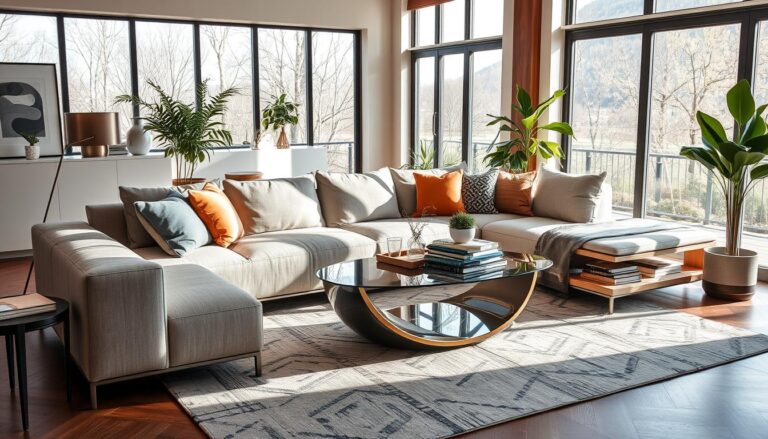
Living room ambient lighting works best when layered across three distinct levels: ambient (general), task (functional), and accent (decorative). This approach ensures adequate illumination for all activities while maintaining visual interest throughout the space.
Scandinavian Style: Emphasize natural light with sheer window treatments, complement with warm-white LED fixtures featuring blonde wood or white metal finishes. Position floor lamps in reading corners and use pendant lights with geometric shapes to maintain clean, minimalist aesthetics.
Industrial Design: Incorporate exposed Edison bulbs, black iron fixtures, and track lighting systems. Metal pendant lights over seating areas and vintage-inspired table lamps create authentic industrial character while providing necessary illumination.
Modern Minimalist: Choose fixtures with simple geometric forms and hidden light sources. Recessed lighting provides general illumination without visual clutter, while strategically placed accent lights highlight artwork or architectural features.
Farmhouse Comfort: Combine rustic chandeliers with warm-toned bulbs and fabric lampshades. Layer multiple light sources at varying heights to create cozy, intimate atmospheres perfect for family gatherings.
[Internal Link 4: Complete Interior Design Style Guide]
Alternatives & Comparable Options
Budget Option: IKEA FOTO Pendant Lamp ($39-59)
Aluminum construction with white interior for optimal light reflection. Simple installation and contemporary design work well in compact spaces. Limited dimming options and basic finish quality.
Premium Upgrade: West Elm Sculptural Glass Globe Chandelier ($399-899)
Hand-blown glass construction with brass accents and integrated LED technology. Multiple size options and professional installation recommendations. Five-year manufacturer warranty included.
Space-Saving Variant: Swing-Arm Wall Sconces ($89-189)
Adjustable positioning eliminates need for table lamps while providing focused task lighting. Hardwired installation saves floor and surface space. Multiple finish options coordinate with existing décor.
Common Mistakes to Avoid
Single Light Source Dependency: Relying solely on overhead lighting creates harsh shadows and eliminates ambiance options. Always incorporate multiple light sources at different levels throughout the room.
Incorrect Scale Selection: Oversized fixtures overwhelm small spaces, while undersized options get lost in large rooms. Measure carefully and consider room proportions before purchasing.
Poor Bulb Choice: Mixing color temperatures (warm vs. cool) within the same space creates uncomfortable lighting inconsistencies. Stick to consistent Kelvin ratings across all fixtures.
Ignoring Dimming Capabilities: Non-dimmable fixtures limit ambiance control and energy savings. Invest in compatible dimmer switches or fixtures with integrated dimming.
Inadequate Task Lighting: Failing to provide focused lighting for reading, work, or hobbies forces reliance on inadequate ambient lighting and causes eye strain.
Maintenance & Care Tips
Regular cleaning maintains optimal light output and extends fixture lifespan. Dust accumulation can reduce brightness by 30% over time, making routine maintenance essential for performance and appearance.
Weekly Cleaning: Dust fixture surfaces with microfiber cloths or soft-bristled brushes. Turn off power and allow bulbs to cool completely before cleaning. Use appropriate cleaners for each material—mild soap for metal, glass cleaner for crystal components.
Monthly Deep Cleaning: Remove glass shades and lampshades for thorough washing. Check all connections and mounting hardware for looseness or corrosion. Replace any burnt-out bulbs immediately to prevent electrical stress on remaining bulbs.
Annual Professional Service: Have electricians inspect hardwired fixtures and dimmer switches for wear or damage. Update smart lighting firmware and check wireless connectivity strength.
🛒 Recommended Product:
Weiman Glass Cook Top Cleaner & Polish for Light Fixtures
Bulb Replacement Strategy: Keep spare bulbs in matching specifications to ensure consistent color temperature and brightness. LED bulbs rarely fail suddenly, gradually dimming instead, making regular assessment important for optimal illumination.
Storage, Folding & Space-Saving Tips
Portable lighting solutions maximize flexibility in small spaces while providing essential illumination options. Battery-powered table lamps eliminate cord management issues and enable easy repositioning for different activities.
Adjustable Floor Lamps: Choose models with telescoping height adjustment and swing-arm positioning. When not needed, many fold flat against walls or store in narrow spaces between furniture pieces.
Rechargeable Options: Modern rechargeable table lamps provide 8-12 hours of continuous illumination and eliminate outlet dependency. Perfect for outdoor entertaining or temporary lighting needs.
Multi-Functional Fixtures: Consider lamps with integrated USB charging ports, wireless phone charging bases, or built-in side tables. These maximize utility while minimizing furniture requirements.
Seasonal Storage: Store decorative fixtures in original packaging with bulbs removed. Wrap delicate components in bubble wrap and store in climate-controlled areas to prevent moisture damage or temperature-related cracking.
Conclusion
Mastering living room lighting involves understanding how different fixtures, placement strategies, and control systems work together to create functional, beautiful spaces. Whether you’re implementing modern living room lighting ideas or developing cozy living room lighting décor, success comes from layering multiple light sources and choosing quality fixtures that match your space and lifestyle.
The investment in proper lighting pays dividends in daily comfort, energy efficiency, and long-term home value. Start with a comprehensive plan that addresses ambient, task, and accent lighting needs, then gradually implement upgrades as budget allows.
Ready to transform your living room with professional lighting design? Explore our curated collection of fixtures and get personalized recommendations from our lighting specialists today.
FAQs
What’s the best type of living room lighting for small spaces?
Small living rooms benefit most from layered lighting using wall-mounted sconces, adjustable floor lamps, and recessed ceiling fixtures. This approach maximizes illumination without consuming valuable floor or surface space. Avoid large chandeliers or oversized table lamps that overwhelm compact areas. Consider fixtures with uplighting capabilities to create the illusion of higher ceilings and expanded space.
How many lights should I have in my living room?
A well-lit living room typically requires 4-6 different light sources distributed across ambient, task, and accent categories. Include at least one overhead fixture for general illumination, 2-3 table or floor lamps for task lighting, and 1-2 accent lights for visual interest. Rooms over 200 square feet may need additional fixtures to eliminate dark corners and provide adequate coverage.
What color temperature is best for living room lighting?
Warm white light (2700K-3000K) creates the most comfortable living room atmosphere for relaxation and socializing. This color temperature complements most furniture finishes and skin tones while promoting relaxation in the evening. Avoid cool white bulbs (4000K+) in living spaces as they create clinical, uninviting atmospheres better suited for kitchens or workspaces.
Should all living room lights be on the same switch?
No, living room lights should be controlled by multiple switches or smart controls for maximum flexibility. Separate circuits allow you to adjust lighting levels for different activities—bright task lighting for reading, dim ambient lighting for movie watching, or accent lighting for entertaining. Smart dimmer switches or lighting systems provide the most control options.
How do I choose the right size chandelier for my living room?
Chandelier diameter should equal the sum of room length and width in feet, converted to inches. For example, a 12×15 foot room needs a 27-inch diameter fixture. Hang chandeliers 30-36 inches above coffee tables or 7-8 feet above floor level in rooms with standard ceilings. In rooms with vaulted ceilings, maintain 8-10 feet clearance for safe passage.