
How Long Do Sofas Last? (By Material, Usage & Care)

How Long Do Sofas Last? (By Material, Usage & Care)
Introduction
Did you know that the average American family spends over $1,200 on a sofa, yet 40% replace their seating within just 5-7 years due to premature wear? Understanding how long do sofas last can save you thousands of dollars and help you make smarter furniture investments. The lifespan of your sofa depends on multiple factors including material quality, frame construction, daily usage patterns, and maintenance practices. Whether you’re furnishing your first apartment or upgrading your living room, knowing what affects sofa durability will guide you toward pieces that offer lasting comfort and value. In this comprehensive guide, we’ll break down sofa lifespans by material type, explore the key factors that impact longevity, and share expert tips to maximize your investment.
In short, knowing how long do sofas last helps you choose the right materials, plan your budget, and avoid costly replacements.
👉 Before evaluating durability, understanding the difference between a sofa and a couch helps clarify construction standards and expected lifespan.
How Long Do Sofas Last on Average?
On average, how long do sofas last depends on frame quality, materials, and daily usage. Most standard sofas last between 7 and 15 years, while premium models can exceed 20 years with proper care.
Key Features & Materials Overview

The foundation of understanding how long sofas last begins with recognizing the core components that determine durability. A quality sofa consists of four main elements: the frame, suspension system, cushion filling, and upholstery material. Hardwood frames made from kiln-dried oak, maple, or birch typically last 15-20 years, while particle board or soft pine frames may fail within 2-5 years.
The suspension system—whether eight-way hand-tied springs, sinuous springs, or webbing—directly impacts both comfort and longevity. Eight-way hand-tied springs represent the gold standard, offering superior support for 10-15 years. Sinuous springs provide good durability at 7-10 years, while cheaper webbing systems often sag within 3-5 years.
Upholstery materials vary dramatically in durability. Top-grain leather sofas can last 15-25 years with proper care, while bonded leather may crack and peel within 2-4 years. High-quality wool or linen fabrics typically endure 10-15 years, whereas polyester blends show wear after 5-8 years. Performance fabrics with stain resistance can extend lifespan by 2-3 years through easier maintenance.
Looking for expert sofa selection advice? Check out our comprehensive living room furniture buying guide for detailed material comparisons.
Dimensions & Size Guide

Sofa size significantly impacts how long sofas last because it affects weight distribution, stress points, and usage patterns. Compact sofas (under 72 inches) typically experience more concentrated wear since fewer people can spread their weight across the surface. Conversely, oversized sectionals distribute weight more evenly, potentially extending lifespan by 2-3 years.
Proper sizing for your space also prevents premature damage from tight squeezes, wall scraping, and awkward positioning. Industry standards recommend leaving 14-18 inches of walkway space around your sofa and positioning it at least 3 inches from walls to prevent fabric rubbing.
📊 UNIVERSAL SIZE TABLE
| Size Type | Width | Depth | Height | Best For |
|---|---|---|---|---|
| Compact | 58-72″ | 30-36″ | 30-36″ | Studios, RVs, 100–150 sq ft rooms |
| Standard | 72-96″ | 36-40″ | 32-38″ | Apartments, small homes |
| Oversized | 96-120″ | 40-45″ | 34-40″ | Large rooms, open layouts |
For small spaces, consider apartment-sized sofas with reinforced frames. These compact designs often feature enhanced construction to handle the intensive use typical in studio apartments. Our small space furniture solutions guide offers additional sizing strategies for maximizing both comfort and longevity.
Installation / Assembly Process
Step 1 — Preparation
Clear your delivery path and measure doorways, stairwells, and elevator dimensions. Many sofas arrive in sections to ease transport, but fully assembled pieces require careful planning. Remove existing furniture and protect floors with moving blankets.
Step 2 — Tools & Hardware
Most modular sofas require basic tools: Allen wrenches (usually included), screwdrivers, and occasionally a drill. Check hardware packets immediately—missing bolts can stress connection points and reduce lifespan. Quality manufacturers provide backup hardware sets.
Step 3 — Assembly
Follow manufacturer instructions precisely, as improper assembly can void warranties and create weak points. Tighten all connections fully but avoid over-torquing, which can strip threads or crack frames. For sectional sofas, ensure connectors align properly to prevent gaps that stress fabric seams.
Step 4 — Final Placement
Position your assembled sofa away from direct sunlight, heating vents, and high-traffic areas. UV exposure can fade and weaken fabrics within 2-3 years, while heat sources dry out leather and cause cracking.
Expert Warning: Never attempt to assemble a sofa on carpeting—uneven surfaces can cause misalignment that permanently affects structural integrity.
For complex sectional arrangements, our furniture assembly tips provide detailed guidance on avoiding common mistakes.
Pros & Cons
Advantages of Long-Lasting Sofas:
- Cost efficiency: Quality sofas cost 30-50% more upfront but last 2-3 times longer than budget options
- Maintained comfort: High-end cushioning retains shape and support for years
- Warranty protection: Premium manufacturers offer 10-15 year frame warranties
- Sustainable choice: Reduces landfill waste and repeated purchases
- Design consistency: Keeps your décor stable for decades
Limitations to Consider:
- Higher initial investment: Quality sofas range $2,000-$8,000 vs. $400-$1,200 for budget options
- Style evolution: Tastes change over 10-15 years, potentially making long-lasting pieces feel outdated
- Repair costs: Reupholstering can cost $1,200-$3,000, sometimes approaching new sofa prices
- Limited mobility: Heavy, quality construction makes moving challenging
Consumer research shows that 78% of buyers who invest in premium sofas report satisfaction after 10+ years, compared to only 23% of budget sofa purchasers after 5 years.
Best Placement & Styling Ideas
Strategic placement significantly impacts sofa lifespan by material, influencing how long leather sofas last, how long fabric sofas last, overall sofa wear and tear, and key sofa durability factors. Position sofas perpendicular to windows rather than facing them to minimize UV damage. In Scandinavian-inspired spaces, place light-colored sofas away from high-traffic areas and use throws for protection while maintaining a clean, minimalist aesthetic.
For industrial décor, leather sofas complement exposed brick and metal elements while offering superior durability for the style’s typically relaxed, heavily-used atmosphere. Position these pieces as focal points, away from radiators or exposed heating pipes that can dry and crack leather.
Minimalist arrangements benefit from floating sofa placement—positioning pieces away from walls creates breathing room and prevents fabric rubbing. This approach works especially well in studios where the sofa serves multiple functions throughout the day.
In small apartments, consider corner placement to maximize floor space while protecting two sides of the sofa from wear. RV living requires securing sofas to prevent movement-related damage during travel.
Explore our room layout optimization guide for specific placement strategies that extend furniture lifespan while enhancing style.
Choosing neutral sofa colors that age well, such as beige tones, often helps maintain visual relevance even as styles evolve over long sofa lifespans.
Alternatives & Comparable Options
Budget Option: Foam and spring sofas with polyester upholstery ($600-$1,200)
- Lifespan: 3-5 years with light use
- Best for: Temporary housing, rental properties, or starter homes
- Pros: Low initial cost, widely available
- Cons: Rapid cushion compression, limited durability
Premium Upgrade: Hardwood frame with eight-way hand-tied springs and top-grain leather ($3,000-$8,000)
- Lifespan: 15-25 years with proper care
- Best for: Forever homes, high-use family rooms
- Pros: Exceptional durability, timeless style, reupholstery potential
- Cons: Significant investment, requires maintenance
👉 Many luxury sofas built to last feature premium frames and upholstery designed for decades of use rather than short-term trends.
Space-Saving Variant: Modular sectionals with performance fabrics ($1,500-$3,500)
- Lifespan: 8-12 years
- Best for: Growing families, flexible living spaces
- Pros: Adaptable configuration, stain resistance, moderate durability
- Cons: Connection points may loosen over time
Common Mistakes to Avoid
Sizing Errors: Measuring only width while ignoring depth leads to cramped placement that accelerates wear. Always measure your complete space, including ceiling height for delivery.
Material Mismatching: Choosing delicate fabrics for pet-friendly homes or high-traffic areas reduces lifespan by 50-70%. Match material durability to your lifestyle honestly.
Ignoring Frame Quality: Particle board or metal frames disguised under quality upholstery fail rapidly. Always ask about frame materials and construction methods before purchasing.
Skipping Protection Plans: Quality sofas warrant professional cleaning every 12-18 months and protective treatments. Skipping maintenance can halve expected lifespan.
🛒 In high-traffic homes, investing in protective sofa covers for daily use reduces friction, pet damage, and fabric wear that often shorten a sofa’s lifespan.
Immediate Heavy Use: New sofas benefit from a 2-week break-in period with light use. Immediate heavy usage before materials settle can create permanent impressions or stress points.
Maintenance & Care Tips
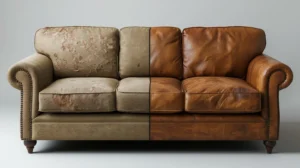
Proper maintenance plays a critical role in determining how long do sofas last, often extending lifespan by 30–50%.
🛒 To prevent stains and extend upholstery durability, applying a fabric and upholstery protector for sofas like Scotchgard helps shield fibers from spills, dirt, and everyday wear.
Regular maintenance dramatically extends how long sofas last. Vacuum upholstery weekly using appropriate attachments—brush heads for fabric, smooth tools for leather. This prevents dirt from abrading fibers and causing premature wear.
🛒 For deep cleaning and quick stain removal, using a portable upholstery cleaner for sofas such as the Bissell Little Green allows you to maintain fabric freshness without professional services.
For leather sofas, apply conditioner every 6-12 months to prevent cracking. Use manufacturer-recommended products only, as generic conditioners can cause discoloration or damage protective finishes. Wipe spills immediately and avoid harsh chemicals.
Fabric sofas benefit from professional cleaning every 12-18 months, depending on usage. Between professional services, use fabric protectors and rotate cushions monthly to ensure even wear patterns.
Control humidity levels between 30-50% to prevent leather cracking or fabric mildew. Use furniture pads under lamps or decorative items to prevent impressions and scratches.
Address minor repairs immediately—loose threads, small tears, or wobbly legs worsen rapidly without intervention. Most quality manufacturers offer repair services that cost significantly less than replacement.
Storage, Folding & Space-Saving Tips
For seasonal storage or moving, disassemble modular components when possible. Wrap individual sections in breathable covers—never plastic, which traps moisture and promotes mold growth.
Store cushions flat rather than on edge to maintain shape. If space is limited, vacuum-sealed storage bags work for removable cushion covers but avoid compressing foam cores, which may not recover fully.
Moving tips: Protect corners with blankets, use furniture dollies for heavy pieces, and never drag sofas across floors. Professional movers extend sofa lifespan by preventing damage during transitions.
For temporary storage in basements or garages, elevate sofas on pallets to prevent moisture damage. Check stored pieces monthly for pest issues or humidity problems.
Consider convertible sofas for multi-purpose rooms—quality sleeper sofas with proper construction last 10-15 years while serving double duty as seating and guest beds.
Conclusion
Understanding how long sofas last empowers you to make informed decisions that balance cost, style, and durability. Quality construction with hardwood frames and premium materials can provide 15–25 years of comfort, while budget options may require replacement within 3–5 years. The key lies in matching your investment to your needs—starter apartments may warrant budget pieces, while forever homes benefit from premium construction.
Remember that proper care, strategic placement, and regular maintenance can extend any sofa’s lifespan by 30-50%. By avoiding common mistakes and choosing materials that match your lifestyle, you’ll maximize both comfort and value from your furniture investment.
Ready to find the perfect long-lasting sofa for your space? Start by honestly assessing your usage patterns, room conditions, and style preferences to guide your material and construction choices.
👉 styles, including traditional sofa designs with long lifespan, often remain functional and visually relevant longer than trend-driven alternatives.
FAQs
How long should a good sofa last?
A quality sofa with hardwood frame and premium upholstery should last 10-15 years with normal use, while luxury pieces can provide 20-25 years of service with proper care.
How long do sofas last with daily use?
With daily use, how long do sofas last depends mainly on frame quality, suspension system, and upholstery material. Budget sofas typically last 3–5 years, while well-built sofas with hardwood frames and proper care can last 10–15 years or more even with everyday use.
How long do sofas last compared to couches?
When comparing seating types, how long do sofas last is often longer than couches due to sturdier frames and higher construction standards. Sofas usually last 7–15 years, while couches made with lighter materials may wear out sooner under similar usage.
What type of sofa lasts the longest?
Hardwood-framed sofas with eight-way hand-tied springs and top-grain leather or high-quality wool upholstery offer the longest lifespan, typically 15-25 years.
How often should you replace your sofa?
Replace your sofa when structural integrity fails, cushions no longer provide adequate support, or upholstery damage becomes extensive. Quality pieces may only need reupholstering after 10-15 years.
Do leather sofas last longer than fabric?
Top-grain leather typically outlasts most fabrics, lasting 15-25 years vs. 7-12 years for quality fabrics. However, performance fabrics with stain resistance can match leather durability in some applications.
What shortens a sofa’s lifespan the most?
Poor frame construction, inadequate suspension systems, and lack of maintenance are the primary factors that reduce sofa longevity. Direct sunlight and pet damage also significantly impact lifespan.