How to Clean Faux Leather Sofas Without Damaging the Material

INTRODUCTION
Faux leather sofas are easy to damage without realizing it. The most common culprit isn’t heavy use — it’s the wrong cleaning product. When it comes to how to clean faux leather sofas, many homeowners unknowingly use harsh chemicals that cause cracking, discoloration, and premature wear. Unlike genuine leather, faux leather (also known as synthetic or vegan leather) requires specific care techniques to maintain its appearance and durability. This comprehensive guide will teach you the safest, most effective methods to keep your faux leather sofa looking pristine for years to come.
Understanding Faux Leather Materials and Characteristics
Faux leather is typically made from polyurethane (PU) or polyvinyl chloride (PVC) applied to a fabric base. Unlike genuine leather, which has natural oils and pores, synthetic leather has a uniform surface that’s more susceptible to chemical damage. Modern faux leather sofas often feature advanced coatings that mimic the texture and feel of real leather while offering superior stain resistance.
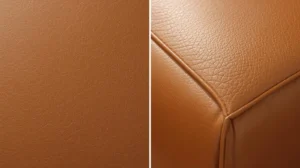
The key difference lies in porosity—genuine leather absorbs moisture and oils naturally, while faux leather repels most liquids when properly maintained. This makes how to clean faux leather sofas both easier and more delicate than cleaning genuine leather furniture.
Quality faux leather typically lasts 3-5 years with proper care, compared to 10-15 years for genuine leather. However, premium synthetic options can extend this lifespan significantly when maintained correctly.
Understanding the expected lifespan of different sofa materials helps homeowners set realistic expectations and choose maintenance routines that extend furniture durability.
Essential Cleaning Supplies and Safe Products
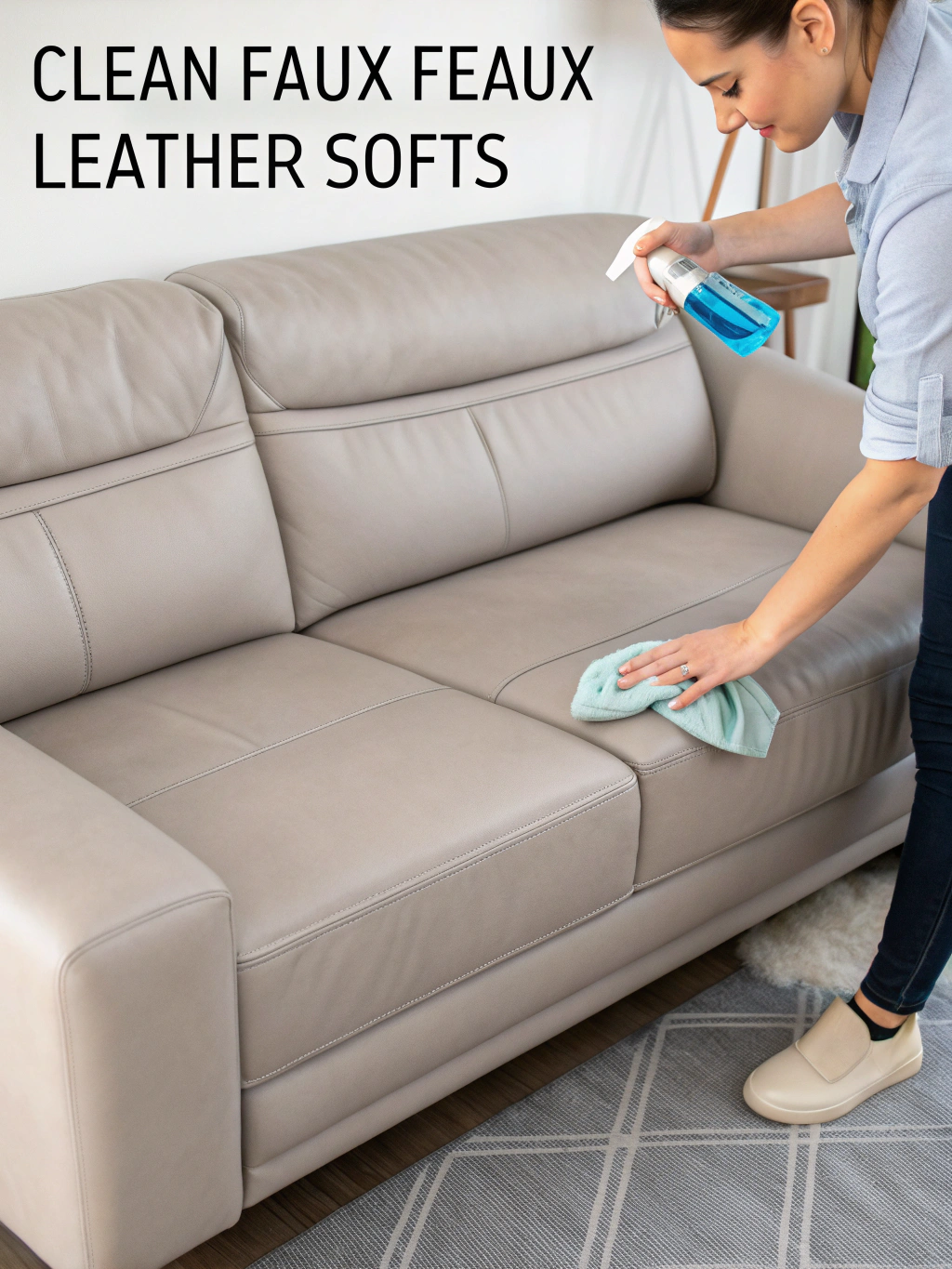
Before learning how to clean faux leather sofas effectively, gather these essential supplies:
Safe Cleaning Products:
- Mild dish soap (Dawn or similar)
- White vinegar
- Distilled water
- Isopropyl alcohol (70% concentration)
- Commercial faux leather cleaners
- Microfiber cloths
- Soft-bristled brush
For regular and deep cleaning, Leather Honey Leather Cleaner is a safe, water-based option that removes dirt and body oils from faux leather sofas without causing cracking or discoloration.
Products to Avoid:
- Bleach-based cleaners
- Ammonia products
- Abrasive scrubbers
- Oil-based conditioners
- Steam cleaners
Understanding the right clean faux leather couch, prevent faux leather cracking, faux leather care tips, safe sofa cleaning methods, DIY faux leather cleaner combinations prevents costly damage while ensuring thorough cleaning.
📊 Cleaning Solution Comparison Table
| Solution Type | Effectiveness | Safety Level | Cost | Best For |
|---|---|---|---|---|
| Mild Soap & Water | High | Excellent | Low | Daily maintenance, light stains |
| Vinegar Solution | Medium | Good | Low | Odor removal, disinfection |
| Commercial Cleaners | Very High | Good | Medium | Deep cleaning, tough stains |
| Isopropyl Alcohol | High | Moderate | Low | Sanitizing, quick cleaning |
Step-by-Step Deep Cleaning Process
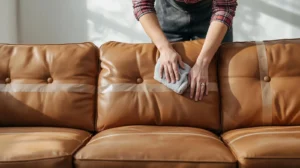
Step 1 — Preparation and Assessment
Remove all cushions and pillows from your sofa. Vacuum the entire surface using a soft brush attachment to remove loose dirt, crumbs, and debris. Check for any existing damage like cracks or tears that might worsen during cleaning.
Step 2 — Spot Testing
Always test your chosen cleaning solution on an inconspicuous area first. Apply a small amount and wait 10-15 minutes to ensure no discoloration or damage occurs.
Step 3 — General Cleaning Application
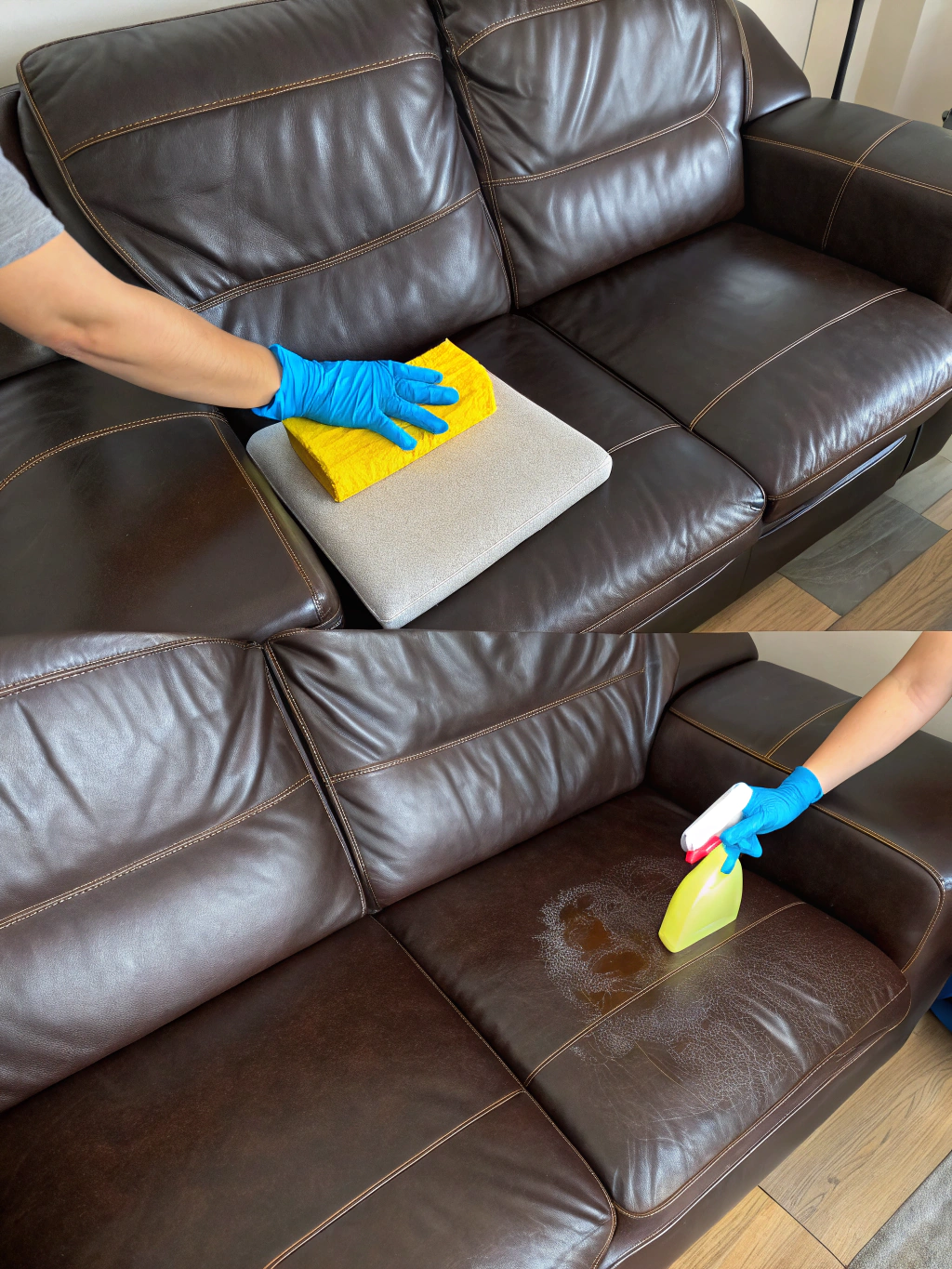
For regular maintenance, mix one teaspoon of mild dish soap with one cup of warm water. Using a microfiber cloth, gently wipe the entire surface in circular motions. Avoid oversaturating the material, as excess moisture can cause the backing to separate.
Step 4 — Stain Treatment and Final Care
For stubborn stains, create a paste using baking soda and water. Apply gently and let sit for 30 minutes before wiping clean with a damp cloth. Always finish by wiping with a clean, dry cloth to remove any residue.
For sofas that look dull after cleaning, Weiman Leather Cleaner & Conditioner can be used lightly on faux leather to refresh appearance and restore a clean, even finish.
For sofas that already show visible wear or fading, restoring worn leather sofas at home using safe repainting techniques can be a cost-effective alternative to replacement.
Pros and Cons of Different Cleaning Methods
Advantages of Proper Faux Leather Cleaning:
- Noticeably extends furniture lifespan when cleaning routines are consistent
- Maintains aesthetic appeal and color vibrancy
- Prevents bacterial growth and odors
- Preserves material flexibility and comfort
- Saves money on premature replacements
Potential Drawbacks:
- Requires regular maintenance every 2-3 weeks
- Some commercial cleaners can be expensive
- Improper techniques can cause permanent damage
- Time-consuming for large sectional sofas
Consistent cleaning is the single most effective way to protect your investment — faux leather responds visibly to regular care.
Preventing Common Faux Leather Damage

Knowing how to clean faux leather sofas properly includes understanding prevention strategies:
Heat Damage Prevention:
- Keep sofas away from direct sunlight
- Maintain room temperature between 65-75°F
- Use window treatments to block UV rays
- Avoid placing near heating vents or fireplaces
Moisture Control:
- Address spills immediately
- Use dehumidifiers in humid climates
- Ensure proper ventilation around furniture
- Never allow cleaning solutions to pool on surfaces
Using protective sofa covers for daily use is a simple way to reduce spills, pet hair, and moisture exposure that can damage faux leather over time.
Daily Maintenance and Care Routines
Establishing a regular maintenance schedule significantly reduces the need for intensive cleaning sessions. Weekly dusting with a dry microfiber cloth removes surface dirt before it embeds into the material texture.
Monthly deep cleaning using the gentle soap solution method keeps your faux leather sofa looking fresh. Pay special attention to high-contact areas like armrests and seat cushions, which accumulate body oils and dirt more quickly.
For households with pets or children, consider weekly cleaning to address accidents and spills promptly. Quick response prevents stains from setting and reduces the risk of permanent discoloration.
Alternative Cleaning Solutions and Commercial Products
Budget-Friendly DIY Options:
- Vinegar and water solution (1:1 ratio)
- Mild castile soap mixture
- Rubbing alcohol for quick sanitizing
Premium Commercial Cleaners:
Chemical Guys Colorless & Odorless Leather Cleaner is ideal for faux leather sofas in homes with pets or children, as it cleans effectively without leaving fragrances or residue.
- Leather Honey Leather Cleaner (works on faux leather)
- Chemical Guys Colorless & Odorless Leather Cleaner
- Weiman Leather Cleaner & Conditioner
Space-Saving Maintenance Kits:
- All-in-one wipe solutions for small apartments
- Concentrated cleaners that require minimal storage
- Multi-purpose products safe for various synthetic materials
Common Cleaning Mistakes to Avoid
Critical Errors That Damage Faux Leather:
- Using too much water or cleaning solution
- Scrubbing aggressively with abrasive materials
- Applying heat to speed drying process
- Using conditioning products designed for genuine leather
- Ignoring manufacturer care instructions
Timing Mistakes:
- Cleaning in direct sunlight
- Attempting to clean wet or damp furniture
- Rushing the drying process
- Cleaning too frequently with harsh products
Storage and Protection Strategies
Seasonal Protection:
During periods of non-use, cover your faux leather sofa with breathable fabric covers. Avoid plastic coverings that trap moisture and promote mold growth.
Moving and Transport:
When relocating, wrap faux leather furniture in moving blankets rather than plastic wrap. The material needs to breathe during transport to prevent moisture buildup and subsequent cracking.
Long-term Storage:
For extended storage, clean the sofa thoroughly, ensure complete drying, and store in a climate-controlled environment with stable temperature and humidity levels.
Conclusion
Mastering how to clean faux leather sofas protects your furniture investment while maintaining a beautiful, comfortable living space. By following these proven techniques, using appropriate cleaning products, and establishing regular maintenance routines, you can extend your sofa’s lifespan significantly while preserving its appearance and functionality.
Remember that prevention is always more effective than correction. Regular gentle cleaning, immediate spill response, and proper environmental controls will keep your faux leather sofa looking new for years to come. When in doubt, always err on the side of caution and test cleaning methods on inconspicuous areas first.
Ready to give your faux leather sofa the care it deserves? Start with a gentle cleaning today and establish a maintenance routine that fits your lifestyle.
FAQs
Q: How often should I clean my faux leather sofa?
A: For regular households, clean weekly with a dry cloth and deep clean monthly. High-traffic homes with pets or children may need bi-weekly deep cleaning.
Q: Can I use baby wipes on faux leather furniture?
A: Most baby wipes are safe for faux leather, but choose alcohol-free, fragrance-free options and always test first. Avoid using them as your primary cleaning method.
Q: What should I do if my faux leather sofa starts cracking?
A: Small cracks can be treated with specialized faux leather repair kits. Prevent further damage by avoiding heat exposure and maintaining proper humidity levels.
Q: Is it safe to use steam cleaners on faux leather?
A: No, steam cleaners can damage the synthetic coating and cause the backing material to separate. Stick to gentle, low-moisture cleaning methods.
Q: How do I remove pet hair from faux leather sofas?
A: Use a slightly damp rubber glove and rub in one direction, or use a lint roller. The static from synthetic materials actually makes pet hair removal easier than with fabric sofas.