Best Outdoor Electric Heaters for Small Patios

Introduction
A compact balcony or small patio doesn’t have to sit empty once temperatures drop. The right outdoor electric heater lets you reclaim that space year-round — without taking up the floor area you can’t afford to lose. Outdoor Electric Heaters have revolutionized how we enjoy our outdoor living areas, offering instant warmth without the hassle of gas refills or wood chopping.
Modern homeowners are increasingly choosing electric heating solutions for their patios, decks, and outdoor dining areas. These innovative heating systems provide consistent, controllable warmth while seamlessly integrating with contemporary outdoor furniture and décor styles. Whether you’re hosting intimate dinner parties or creating a cozy reading nook on your terrace, the right outdoor electric heater transforms your space into a year-round sanctuary.
The challenge many face is selecting the perfect heater that balances efficiency, style, and functionality for their specific outdoor environment. With countless options available, from sleek infrared models to powerful wall-mounted units, understanding the key differences ensures you make an investment that enhances both comfort and aesthetic appeal.
As temperatures drop, your beautifully designed patio doesn’t have to become an unused space, especially when combined with smart heating solutions and small patio design ideas that maximize comfort year-round.
Key Features & Materials Overview

Outdoor Electric Heaters come in diverse designs, each engineered for specific outdoor applications. The most common types include infrared radiant heaters, ceramic heating elements, and halogen bulb systems. Infrared models use electromagnetic radiation to directly warm objects and people rather than heating the surrounding air, making them incredibly efficient in windy conditions.
Premium outdoor electric heaters feature weather-resistant materials including marine-grade aluminum, powder-coated steel, and tempered glass panels. These materials ensure durability against UV rays, rain, and temperature fluctuations. High-end models incorporate stainless steel heating elements that resist corrosion and maintain consistent performance for years.
Power output typically ranges from 1,000 to 3,000 watts, with most residential units operating on standard 120V household electricity. Commercial-grade heaters may require 240V connections for maximum heat output. Energy efficiency ratings vary significantly, with newer models achieving up to 98% efficiency compared to older designs at 75-80%.
The best electric patio heaters, including infrared outdoor heaters and wall-mounted electric patio heaters, are designed to deliver efficient and targeted warmth while saving space. Many models are also built as waterproof outdoor electric heaters, making them suitable for year-round use. Thanks to adjustable heat settings, remote controls, and safety shutoff mechanisms, these energy-efficient patio heaters provide precise temperature control while ensuring safe operation around furniture, plants, and outdoor décor.
Best Infrared Electric Patio Heaters for Outdoor Spaces
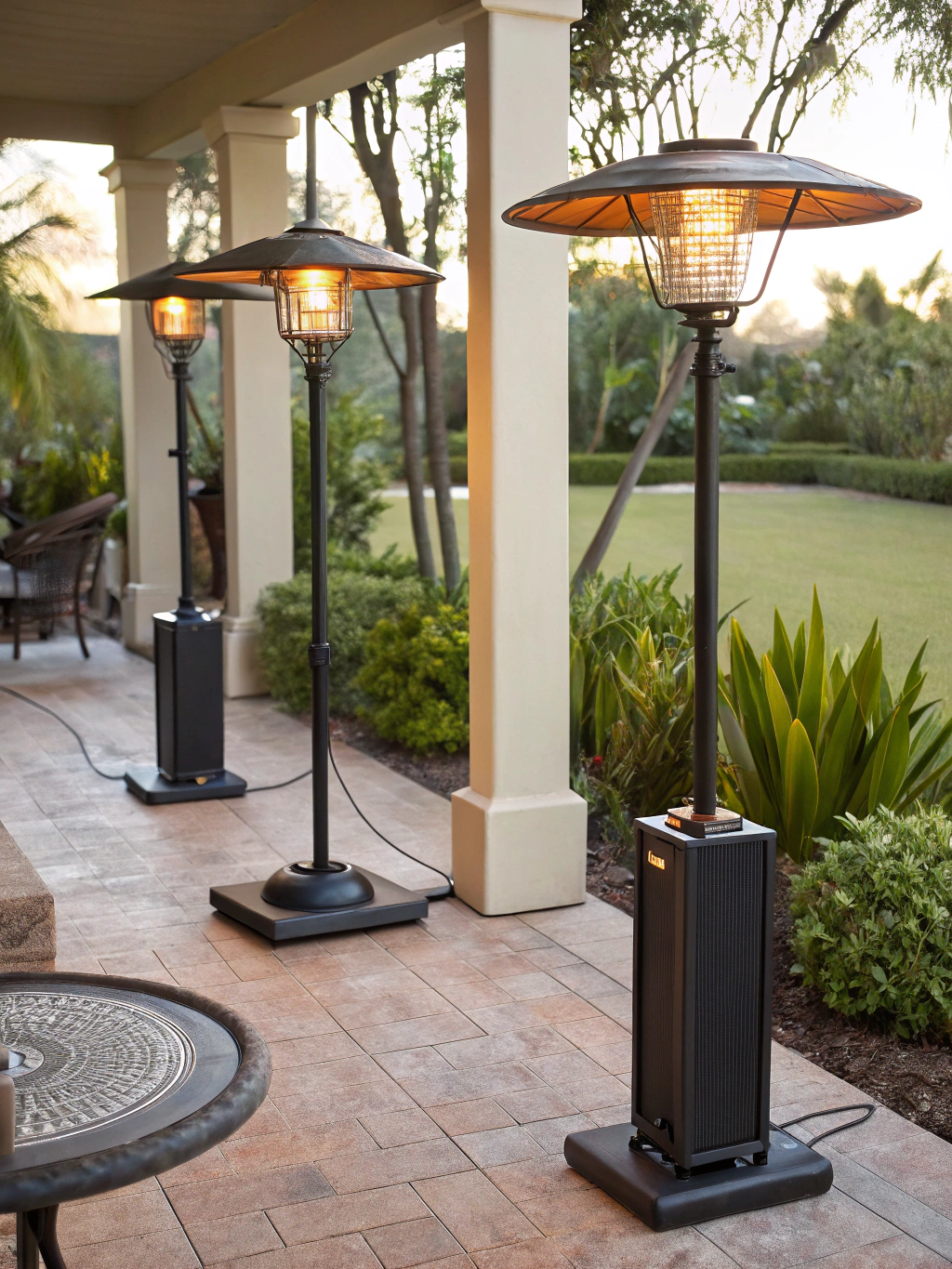
Infrared electric patio heaters are the most efficient option for windy patios, as they directly heat people and furniture rather than the surrounding air.
One excellent option is this infrared electric patio heater, designed to provide instant, targeted warmth while remaining energy efficient for outdoor use.
Dimensions & Size Guide
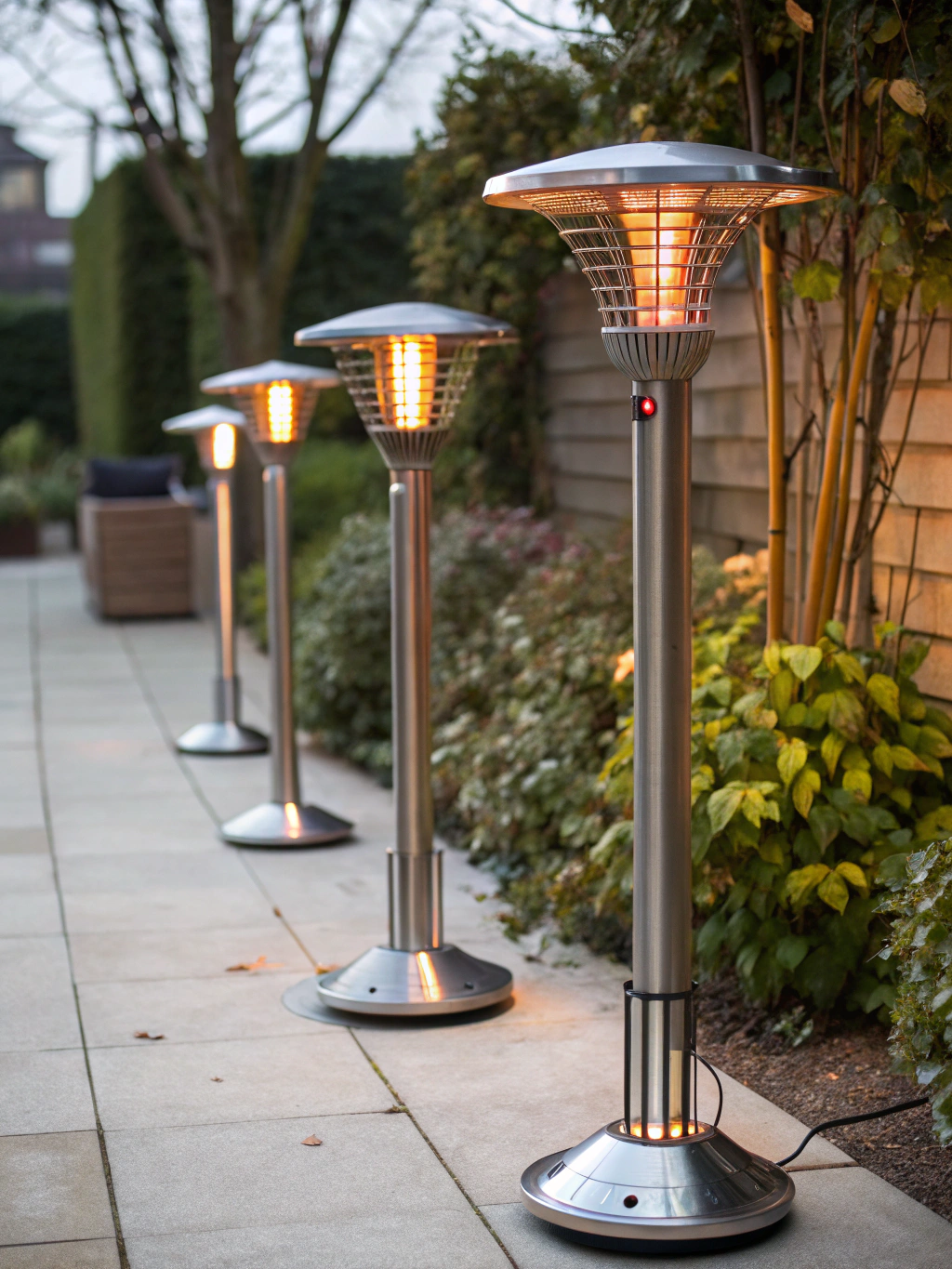
Selecting the appropriate size outdoor electric heater depends on your patio dimensions, ceiling height, and furniture layout. Tabletop models work perfectly for intimate seating areas, while tower-style heaters handle larger entertaining spaces effectively.
For optimal heat distribution, position heaters 8-10 feet from seating areas and maintain 3-foot clearance from furniture, umbrellas, and overhead structures. Wall-mounted units should be installed 8-9 feet above ground level to prevent accidental contact while maximizing heat coverage.
| Size Type | Width | Depth | Height | Best For |
|---|---|---|---|---|
| Compact | 12-18″ | 12-18″ | 24-36″ | Studios, small patios, 50-100 sq ft |
| Standard | 18-24″ | 18-24″ | 60-84″ | Apartments, medium patios, 100-200 sq ft |
| Oversized | 24-36″ | 24-36″ | 84-96″ | Large decks, commercial spaces, 200+ sq ft |
Small apartment balconies benefit from compact infrared heaters that mount under railings or attach to walls. These space-saving designs provide focused warmth without overwhelming limited square footage. For larger patios, multiple smaller units often deliver more even heat distribution than single oversized heaters.
Installation Tips for Small Patios & Balconies
Step 1 — Preparation
Survey your outdoor space and identify electrical outlets within 6 feet of desired heater placement. Check local building codes regarding outdoor electrical appliance installation, particularly for permanent wall-mounted units.
Step 2 — Tools & Hardware
Gather necessary tools including drill bits, level, screwdrivers, and weatherproof electrical connections. Most outdoor electric heaters include mounting brackets, but verify hardware compatibility with your wall material (wood, concrete, brick).
Outdoor-Rated Extension Cords for Electric Patio Heaters
Outdoor electric heaters often require safe and reliable power connections, especially when outlets are not located near seating areas.
Using an outdoor-rated extension cord like thisensures proper weather resistance, electrical safety, and long-term durability.
Step 3 — Assembly
Follow manufacturer instructions carefully, ensuring all electrical connections meet outdoor safety standards. Install GFCI protection if not already present in your outdoor electrical system. Test all safety features before final installation.
Step 4 — Final Placement
Position freestanding models on stable, level surfaces away from high-traffic areas. Secure any loose cords and verify proper clearance from combustible materials.
Expert Warning: Never use indoor-rated extension cords with outdoor electric heaters. Always use weatherproof, outdoor-rated electrical connections to prevent safety hazards.
Pros & Cons
Advantages:
- Instant heat with no warm-up time required
- Zero emissions and eco-friendly operation
- Precise temperature control with digital thermostats
- Low maintenance compared to gas alternatives
- Silent operation perfect for conversation areas
- Integration with smart home systems
Limitations:
- Higher operational costs in regions with expensive electricity
- Limited effectiveness in extremely windy conditions
- Dependency on electrical power availability
- Initial investment higher than basic fire pits
- Heat output decreases with distance from unit
Best Placement & Styling Ideas
Outdoor Electric Heaters complement various décor styles when thoughtfully integrated into your outdoor design scheme. For Scandinavian-inspired patios, choose minimalist white or natural wood-finished heaters that blend seamlessly with clean-lined furniture and neutral color palettes.
Industrial-style outdoor spaces benefit from black powder-coated metal heaters with exposed heating elements. Position these units near raw concrete walls or weathered steel furniture to maintain design consistency. Modern farmhouse patios work beautifully with vintage-inspired copper or bronze-finished heaters placed near rustic wooden tables and wrought iron chairs.
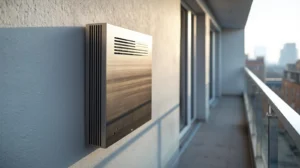
Small apartment balconies maximize functionality with wall-mounted infrared heaters positioned above compact bistro sets. These space-efficient solutions provide warmth without consuming valuable floor space needed for plants or storage. Studio apartment dwellers often prefer portable tabletop heaters that easily move between indoor and outdoor use.
For larger entertaining areas, create distinct heating zones using multiple smaller units rather than relying on single powerful heaters. This approach allows guests to find their preferred temperature while maintaining intimate conversation spaces throughout your patio.
Outdoor electric heaters integrate seamlessly with modern décor when paired with the right outdoor furniture for small spaces, creating a cozy and functional patio layout.
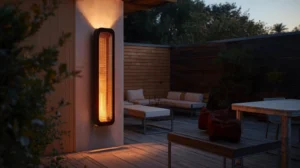
Wall-Mounted Electric Heaters for Small Patios & Balconies
A great solution is this wall-mounted electric heater, which delivers targeted heat, saves valuable floor space, and is designed specifically for compact outdoor areas.
Alternatives & Comparable Options
Budget Option: Portable infrared patio heaters ($150-300) offer excellent value for occasional use. These lightweight units provide adequate warmth for small gatherings while remaining affordable for budget-conscious homeowners.
Premium Upgrade: High-end mounted infrared heaters ($800-1,500) feature smart controls, weatherproof construction, and architectural integration. These units often include ambient lighting and can be controlled via smartphone apps.
Space-Saving Variant: Under-table heating panels ($200-500) provide discreet warmth without visual clutter. These innovative solutions heat from below, creating cozy dining experiences while maintaining unobstructed patio views.
Common Mistakes to Avoid
Many homeowners underestimate power requirements and choose underpowered units for their space size. Calculate 100-150 watts per square foot for adequate heating in most climates. Oversizing creates uncomfortable hot spots, while undersizing leaves areas unheated.
Improper placement near combustible materials poses serious safety risks. Maintain manufacturer-recommended clearances from awnings, furniture cushions, and decorative plants. Never position heaters where falling objects could damage heating elements.
Neglecting weatherproofing leads to premature failure and safety hazards. Ensure all electrical connections use outdoor-rated components and install proper GFCI protection. Cover units during extreme weather when not in use.
Maintenance & Care Tips
Regular cleaning maintains optimal performance and extends heater lifespan. Use soft cloths and mild detergent to clean exterior surfaces monthly. Avoid harsh chemicals that could damage protective coatings or heating elements.
Inspect electrical cords and connections seasonally for wear or damage. Replace any frayed wires immediately to prevent safety hazards. Store portable units in dry locations during winter months to prevent moisture damage.
Heater Covers & Mounts for Protection and Storage
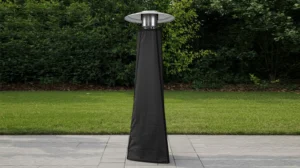
Protecting your outdoor electric heater from rain, dust, and UV exposure significantly extends its lifespan.
A weatherproof heater cover like this outdoor heater cover helps prevent corrosion and keeps your unit clean when not in use.
For infrared heaters, clean reflective surfaces with glass cleaner to maintain heat output efficiency. Dust accumulation on reflective surfaces can noticeably reduce heating effectiveness over time — a quick wipe-down each month keeps your unit performing at its best.
Storage, Folding & Space-Saving Tips
Many modern Outdoor Electric Heaters feature modular designs that facilitate easy storage during off-seasons. Telescoping tower heaters collapse to half their operational height, fitting into standard storage closets or garage shelves.
Wall-mounted units with swing-arm designs fold flat against walls when not needed, preserving patio space for other activities. Some models include decorative covers that transform heaters into wall art during warmer months.
For renters or frequent movers, choose lightweight portable models with integrated carrying handles. These units typically weigh 15-25 pounds and store easily in closets or under beds. Tabletop heaters often nest inside larger patio storage boxes alongside cushions and outdoor accessories.
Conclusion
Outdoor Electric Heaters represent the perfect fusion of functionality and style for modern outdoor living spaces. Whether you’re working with a compact apartment balcony or spacious deck, the right electric heating solution extends your outdoor season while complementing your design aesthetic.
The key to success lies in matching heater capacity to space requirements, prioritizing safety features, and selecting designs that enhance rather than detract from your outdoor décor. With proper selection and installation, these versatile heating solutions provide years of reliable warmth and outdoor enjoyment.
Ready to transform your patio into a year-round retreat? Explore our comprehensive selection of outdoor electric heaters and discover the perfect heating solution for your outdoor living space.
FAQs
Q: How much electricity do outdoor electric heaters consume?
A: Most residential units consume 1,500-3,000 watts, costing approximately $0.15-0.30 per hour based on average electricity rates.
Q: Can outdoor electric heaters be used in covered patios?
A: Yes, provided adequate ventilation and proper clearance from ceiling materials. Follow manufacturer spacing requirements for safe operation.
Q: Are outdoor electric heaters waterproof?
A: Most quality units feature weather-resistant construction, but avoid direct water exposure. Look for IPX4 or higher ratings for maximum weather protection.
Q: How long do outdoor electric heaters typically last?
A: Well-maintained units typically provide 5-10 years of reliable service with proper care and storage during extreme weather.
Q: Do outdoor electric heaters work in windy conditions?
A: Infrared models perform better in wind than convection heaters, as they directly heat objects rather than warming air that disperses quickly.