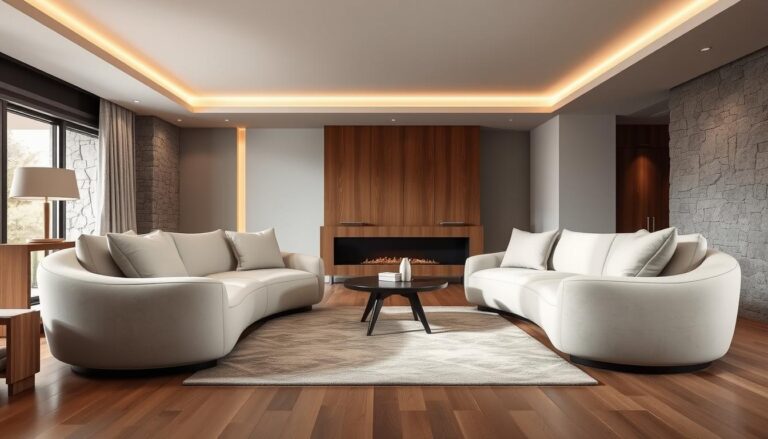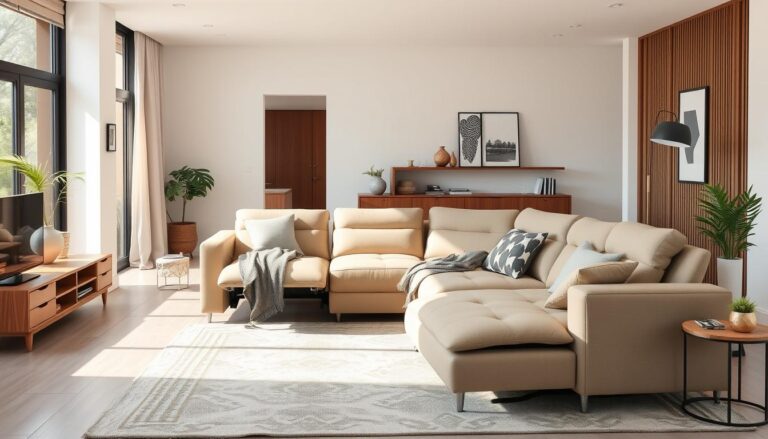
15 Cozy Small Living Room Ideas with Neutral Sofas

Introduction
Looking for the right neutral sofa for your small living room? You’re already facing the real challenge: how do you choose a piece that brightens the space, adapts to your changing style, and doesn’t scream “I gave up on color” the moment you walk in?
Here’s the truth — neutral sofas aren’t boring. They’re strategic. In a compact living room where every square foot counts, a light-colored sofa does three things simultaneously: it reflects natural light (making the room feel larger), it serves as a blank canvas for seasonal styling (so you don’t get bored in six months), and it doesn’t compete visually with the rest of your space (which is crucial when walls are close together).
But picking the wrong neutral sofa is just as easy as picking the right one. Too big, and it swallows your floor space. Too delicate a fabric, and you’ll spend every weekend spot-cleaning. The wrong shade of beige, and your room looks washed out instead of airy.
In this guide, I’ll show you how to choose a neutral sofa that works specifically for small living rooms — from sizing rules that prevent cramped layouts to fabric choices that balance durability with that light, open feel. We’ll cover styling strategies that keep neutral from feeling bland, maintenance tips for keeping light fabrics clean without constant stress, and real examples of what works (and what doesn’t) in tight spaces.
Pro Tip: Before you even start shopping, measure your room’s longest wall and subtract 24 inches. That’s your maximum sofa length — any longer and you’ll lose critical walking space around the furniture.
Whether you’re working with a 150-square-foot studio corner or a narrow living room in a walkup apartment, these strategies will help you find a neutral sofa that makes your space feel intentional, not just “safe.”
Key Features & Materials Overview
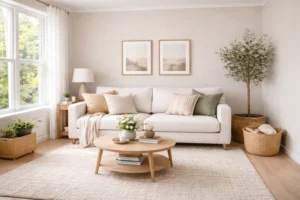
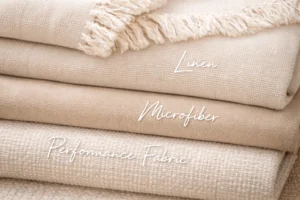
Neutral sofas excel in small living rooms due to their visual lightness and adaptability. The most popular materials include linen, cotton blends, microfiber, and performance fabrics that resist stains and wear. Light-colored upholstery reflects natural light, making rooms appear larger, while textured fabrics like bouclé or woven cotton add depth without overwhelming the space.
PRO TIP #1: In rooms under 150 square feet, avoid deep-pile fabrics like velvet or chenille on your neutral sofa. They look cozy in showrooms but absorb light in compact spaces — making the room feel smaller and darker. Stick to smooth linens, tight-weave cottons, or microfiber for maximum light reflection.
If you’re considering faux leather for its sleek neutral look, this practical guide on how to clean faux leather sofas without damaging the material explains safe methods to prevent cracking, discoloration, and premature wear.
Key characteristics that make neutral sofas perfect for compact spaces include:
- Light reflection properties that help brighten small rooms naturally
- Versatile color palettes ranging from warm creams to cool grays
- Streamlined silhouettes that don’t visually clutter small rooms
- Multi-functional designs with hidden storage or convertible features
Premium materials like high-grade linen offer durability ratings of 15,000+ double rubs, while budget-friendly polyester blends provide 10,000+ double rubs—both suitable for daily use in small living spaces.
Faux leather neutral sofas require gentle, non-abrasive care — using a dedicated cleaner like this helps prevent cracking, fading, and surface damage over time.
Looking for the perfect neutral sofa for your compact space? Check out our comprehensive guide to choosing furniture that maximizes both style and functionality.
Dimensions & Size Guide
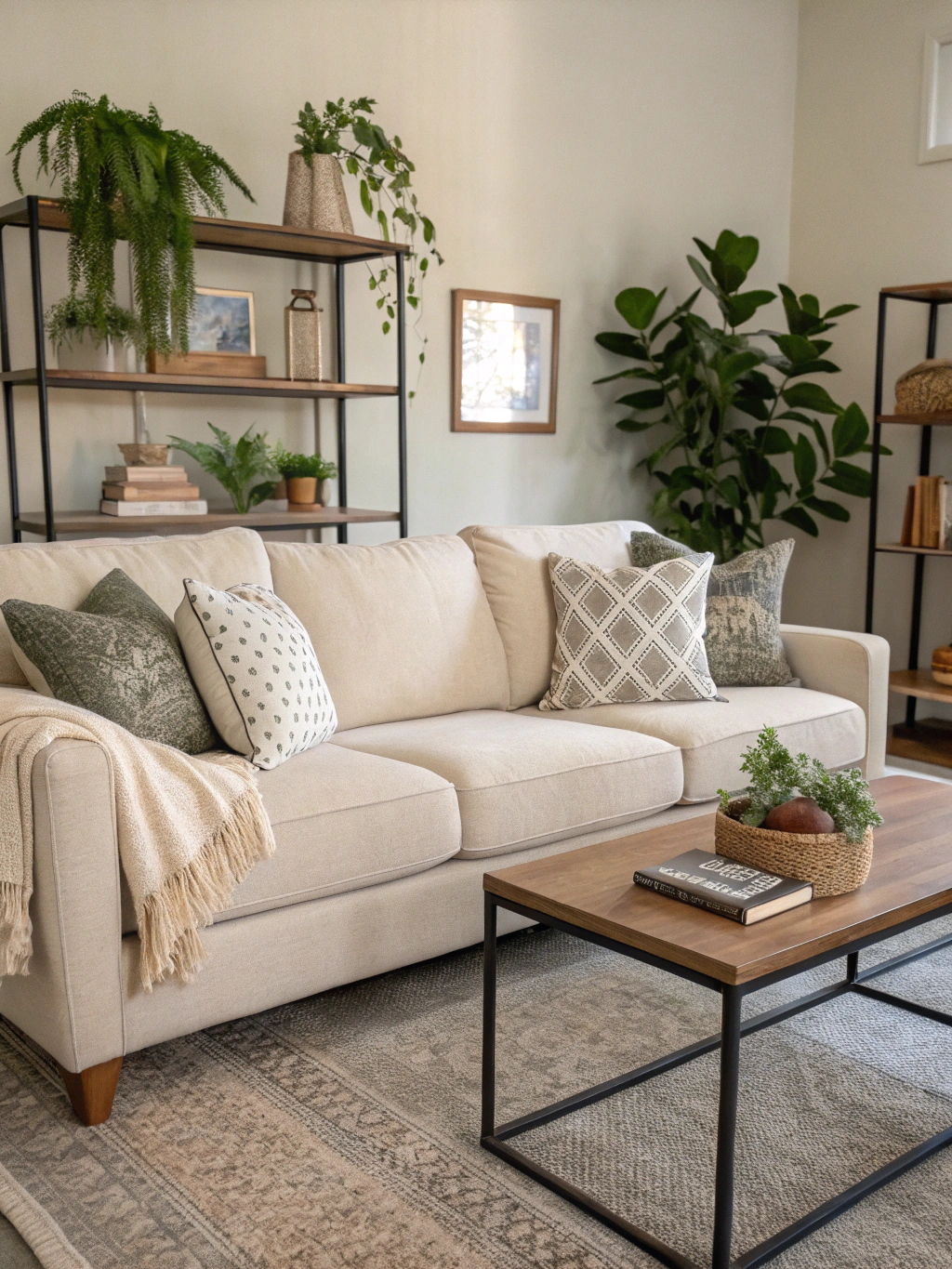
Proper sizing is crucial when implementing neutral sofa living room ideas in compact spaces. The golden rule: leave 18-24 inches of walking space around your sofa, and position it 12-18 inches from walls to avoid a cramped feeling.
For optimal traffic flow, measure your room’s longest wall and subtract 24 inches—this gives you the maximum sofa length that won’t overwhelm the space. In rooms under 150 square feet, consider apartment-sized sofas ranging from 72-78 inches, while studios might require compact loveseats of 60-66 inches.
UNIVERSAL SIZE TABLE
| Size Type | Width | Depth | Height | Best For |
|---|---|---|---|---|
| Compact | 60-66″ | 28-32″ | 30-32″ | Studios, RVs, 100–150 sq ft rooms |
| Standard | 72-84″ | 32-36″ | 32-36″ | Apartments, small homes |
| Oversized | 90-96″ | 36-40″ | 34-38″ | Large rooms, open layouts |
PRO TIP #2:Here’s the mistake I see constantly — people measure the sofa length but forget about arm width. A 72-inch sofa with 8-inch arms only gives you 56 inches of actual seating space. In a small living room, choose sofas with slim track arms (4-6 inches) instead of rolled arms (8-10 inches). You’ll gain 6-12 inches of usable seating without changing the overall footprint.
Expert Warning: Never buy a neutral sofa based on showroom measurements alone. Showroom floors are designed with 12-foot ceilings and wide-open layouts — a sofa that looks perfectly proportioned there will dominate a compact living room with 8-foot ceilings. Always test proportions at home first: tape out the sofa dimensions on your floor with painter’s tape and live with it for 24 hours. If the tape already feels too close to your walking paths, the sofa will too.
Strategic placement involves floating your neutral sofa away from walls in larger spaces, or positioning it against the longest wall in narrow rooms. Consider corner placement to maximize floor space while creating intimate conversation areas.
Need help determining the perfect sofa size for your specific room dimensions? Our detailed sizing calculator takes the guesswork out of furniture selection.
Pros & Cons
Advantages:
- Visual expansion: Light colors create the perception of a larger, more open space
- Design flexibility: Easily accommodate seasonal décor changes
- Resale value: Neutral pieces have broad appeal and tend to attract more potential buyers than bold-colored furniture
- Timeless appeal: Won’t look outdated in 5-10 years
- Versatile styling: Works with multiple design aesthetics
Limitations:
- Stain visibility: Light fabrics show dirt and spills more readily
- Maintenance needs: Require cleaning every 6-12 months
- Color matching: Can appear bland without proper styling
- Fabric durability: Light colors may fade faster with direct sunlight
One of the biggest advantages of a neutral sofa? You can completely refresh the look of your room by simply swapping out pillows and throws — no need to replace the sofa itself
PRO TIP #3 : If you’re worried about stains on a light neutral sofa, here’s the budget hack — buy two sets of washable slipcovers in the same color. Rotate them every few months (one on, one in the wash). IKEA Ektorp and Pottery Barn PB Comfort models make this easy with standardized slipcover sizing. Your sofa stays fresh without professional cleaning bills.
Best Placement & Styling Ideas
Transform your space with thoughtful styling choices that blend neutral sofa living room ideas with cozy textures, warm minimalist elements, and carefully balanced color accents. These approaches help small living rooms feel inviting, functional, and visually spacious without overwhelming the space.

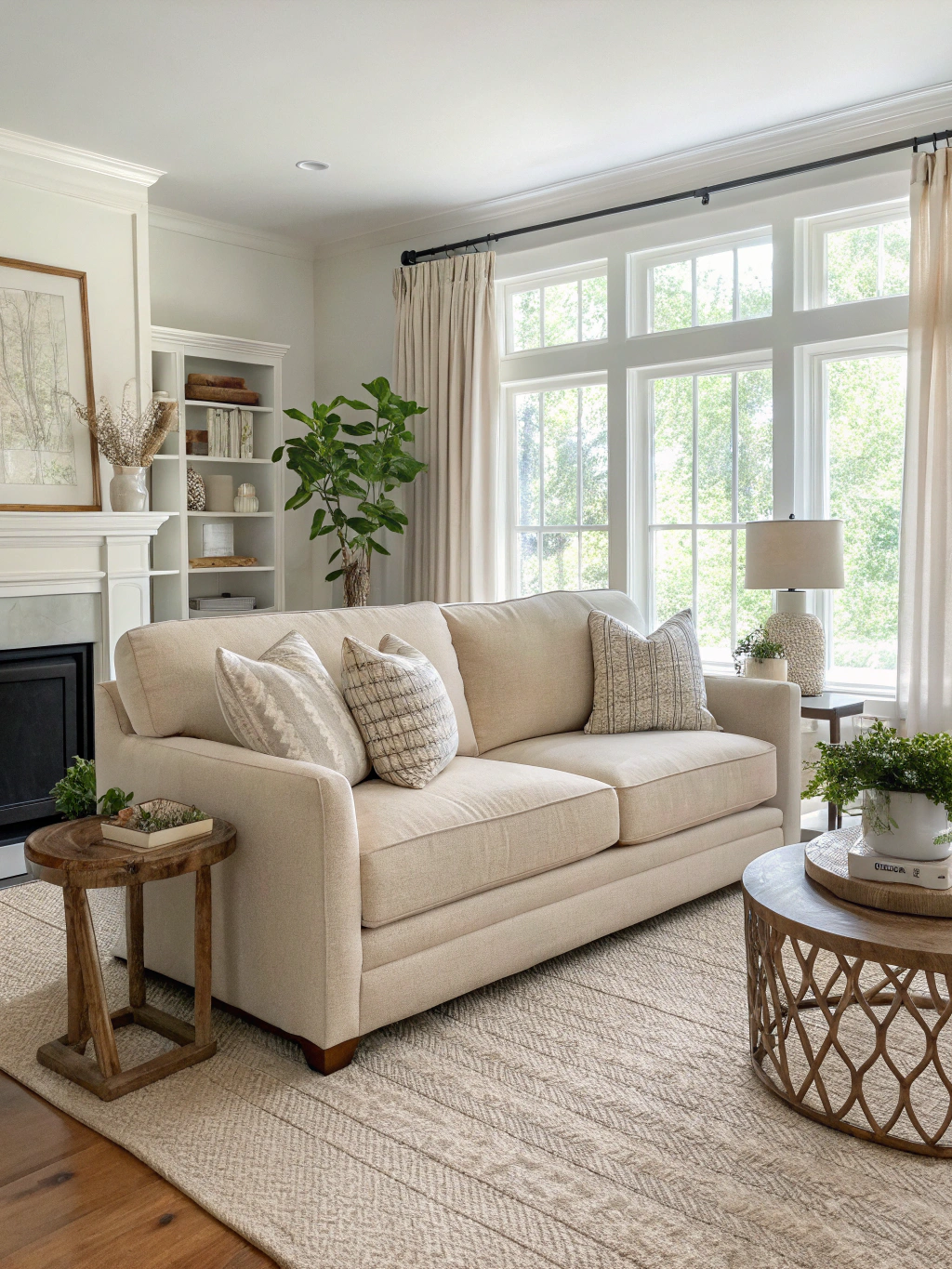
Scandinavian Approach: Pair a cream linen sofa with light wood coffee tables, white sheepskin throws, and minimal black accents. Add warmth with textured pillows in soft grays and natural materials.
Minimalist Styling: Choose a structured neutral sofa in dove gray, complement with a glass coffee table, and limit accessories to two or three carefully chosen pieces. Focus on clean lines and negative space.
Industrial Chic: Combine a charcoal neutral sofa with metal accent tables, exposed brick walls, and warm Edison bulb lighting. Add leather pillows and woven baskets for texture.
Small Apartment Solutions: Use a sectional neutral sofa to define separate areas in studio spaces. Add a console table behind the sofa for additional surface area and storage.
Expert Warning: Resist the urge to match your neutral sofa exactly with your walls. A cream sofa against cream walls in a small living room creates a “blending” effect that makes the room feel flat and undefined — not spacious. You need at least one stop of contrast: warm white walls with an oatmeal sofa, or soft gray walls with an ivory sofa. The contrast creates visual depth and makes both the furniture and the room feel intentional.
PRO TIP #4:The fastest way to keep a neutral sofa from looking bland? The “rule of three textures.” Pair your smooth linen sofa with (1) a chunky knit throw, (2) a woven basket for storage, and (3) a jute or wool rug underneath. Three different textures in the same neutral palette creates depth without adding visual clutter — crucial when your room is under 200 square feet.
Discover more styling inspiration and expert tips in our curated collection of small space design solutions.
Alternatives & Comparable Options
Budget Option: IKEA KLIPPAN loveseat ($179-249) offers basic neutral styling perfect for temporary living situations or starter homes. Limited color options but excellent value.
Premium Upgrade: West Elm Harmony sectional ($1,299-2,199) features performance fabrics, modular design, and superior comfort. Ideal for families with pets or high-traffic living rooms.
Space-Saving Variant: CB2 Parlour sleeper sofa ($1,199-1,599) combines neutral styling with convertible functionality, perfect for studio apartments or guest rooms requiring dual purpose furniture.
Common Mistakes to Avoid
Sizing Errors: Choosing sofas too large for the space is the #1 mistake. Always measure twice and account for door clearances.
PRO TIP #5: Before you buy, test the “doorway rule” — measure your narrowest doorway (usually 30-32 inches). Your sofa needs to fit through diagonally. A standard 36-inch-deep sofa tilted corner-first measures about 51 inches diagonal — it won’t fit through a 30-inch door without removing legs or arms. For tight walkups or narrow hallways, look for modular sectionals that assemble inside the room.
Poor Material Selection: Selecting delicate fabrics like silk in high-traffic areas leads to premature wear. Opt for performance fabrics in busy households.
Inadequate Lighting: Placing neutral sofas in dark corners makes them appear dingy. Ensure adequate natural or artificial lighting.
Monochromatic Monotony: All-neutral rooms without textural variety appear flat. Incorporate varied textures, patterns, and accent colors.
Expert Warning: Avoid sofa beds in neutral colors if your small living room is your primary seating area. The mattress mechanism in most sofa beds adds 4-6 inches of depth compared to a standard sofa — in a room under 150 square feet, that’s the difference between comfortable walking paths and a furniture obstacle course. If you need sleeping space, consider a daybed or a wall-mounted Murphy bed instead, and keep your neutral sofa
purely for seating.
Ignoring Scale: Pairing large neutral sofas with tiny coffee tables creates visual imbalance. Maintain proportional relationships between furniture pieces.
Maintenance & Care Tips
Expert Warning: Never drag sofas across hardwood or tile floors without protective pads, as this can cause permanent scratching and damage.
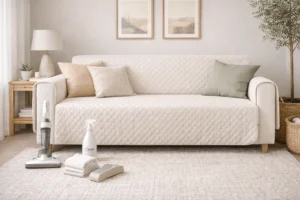
Weekly Care: Vacuum cushions and crevices using upholstery attachments. Rotate cushions to ensure even wear patterns.
PRO TIP #6 : Small living rooms mean your sofa gets sat on constantly — no rotating to “guest room furniture” to spread the wear. To extend lifespan, flip and rotate your cushions every single week (not monthly). Mark the underside with a sharpie: “Week 1 Left”, “Week 2 Right”, “Week 3 Flipped Left”, “Week 4 Flipped Right”. This simple rotation prevents those permanent butt-shaped dips in seat cushions.
Monthly Maintenance: Check and tighten hardware connections. Fluff down cushions and spot-clean any visible stains immediately.
Seasonal Deep Cleaning: Professional cleaning every 6-12 months can significantly extend your sofa’s lifespan — and it keeps the fabric looking fresh between everyday use.
Investing in proper cleaning tools plays a major role in extending your sofa’s lifespan — a compact upholstery cleaner like this one helps maintain neutral fabrics without damaging them.
Protection Strategies: Apply fabric protector annually, use arm covers in high-wear areas, and maintain humidity levels between 30-50% to prevent cracking or fading.
For neutral leather sofas showing wear or discoloration over time, repainting can be an effective alternative to replacement — this guide on leather sofa paint and restoration explains how to safely refresh old sofas while preserving their original style.
Regular deep cleaning not only keeps your neutral sofa looking fresh but also impacts its durability — understanding how long sofas last based on material, usage, and care helps you make smarter long-term furniture decisions.
Sunlight Management: Rotate your furniture quarterly and use curtains or blinds to limit direct sun exposure — UV rays can gradually fade neutral fabrics over time, especially near south- or west-facing windows.
Storage, Folding & Space-Saving Tips
Hidden Storage Solutions: Choose neutral sofas with built-in storage compartments for blankets, pillows, and seasonal items. Storage ottomans complement neutral sofas while providing additional seating.
PRO TIP #7: If storage-ottoman coffee tables feel too bulky for your compact layout, try this hybrid approach — pair a slim 24-inch round coffee table with two or three small storage ottomans tucked underneath. They slide out for extra seating when guests arrive, and they store throw blankets the rest of the time.The SONGMICS Storage Ottoman set works perfectly for this — each cube is 15×15inches and fits under most standard coffee tables.
Modular Advantages: Sectional neutral sofas can be reconfigured as your space needs change. Individual pieces store separately during moves or renovations.
Vertical Space Utilization: Install floating shelves above neutral sofas for books, plants, and decorative objects without consuming floor space.
Multi-Functional Accessories: Ottoman coffee tables provide seating, storage, and surface area. Nesting tables tuck away when not needed.
Moving Tips: Disassemble legs and cushions for easier transport. Wrap light-colored upholstery in moving blankets to prevent staining during relocation.
Conclusion
A neutral sofa isn’t a safe choice — it’s a smart one.
In a small living room, it’s the one piece that does the heaviest
lifting: it opens up the space visually, anchors your layout, and
gives you a foundation you can style a hundred different ways without ever replacing the sofa itself. Swap the throw for winter. Change the pillow covers for spring. Add a jute rug and suddenly the whole room feels new — and your sofa still looks exactly right.
But getting there starts before you ever open a browser tab to shop.It starts with a tape measure, a clear sense of your room’s traffic flow, and an honest look at how you actually live in the space. Do you have kids? Pets? Do you eat on the couch? Those answers matter more than the color swatch.
Here’s what I’d do first: measure your longest wall, subtract 24
inches, and look only at sofas within that range with slim track
arms. Then pick a fabric that matches your household — performance linen if you’re careful, microfiber if you’re not. Everything else is styling, and styling is the fun part.
Ready to figure out the layout around it? See our narrow living room layout ideas for furniture arrangements that make every inch count — including exactly where a neutral sofa works best in tight,awkward, and narrow rooms.
FAQs
Q: What’s the best neutral sofa color for making small rooms look bigger?
A:Light gray, cream, and off-white are the most effective choices —
their light-reflective properties help small rooms feel brighter and
more open than darker colors.
Q: How do I keep a neutral sofa clean with kids and pets?
A: Choose performance fabrics with stain resistance, apply fabric protector every 6 months, and address spills immediately with appropriate cleaning solutions.
Q: Can I use a sectional neutral sofa in a studio apartment?
A: Yes, L-shaped sectionals can define separate living areas in studios. Choose compact dimensions (under 84 inches total) with low backs to maintain sight lines.
Q: What’s the lifespan of a quality neutral sofa?
A: With proper care, quality neutral sofas last 7-15 years. Hardwood frames with 8-way hand-tied springs offer maximum durability for daily use.
Q: How do I add color to a neutral sofa without overwhelming a small room?
A: Use the 60-30-10 rule: 60% neutral (sofa), 30% secondary color (pillows, throws), and 10% accent color (artwork, plants) for balanced visual interest.