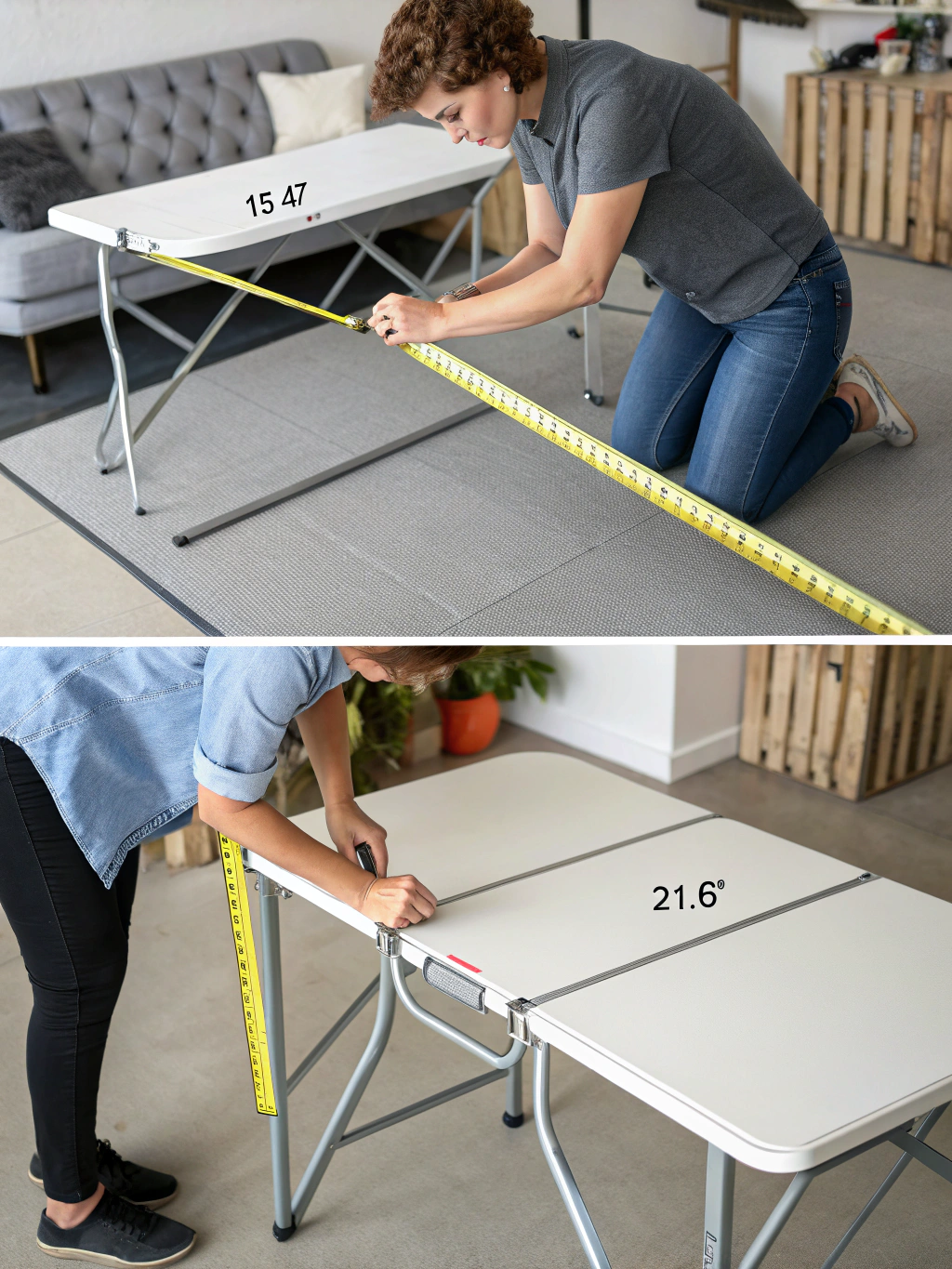
How to Measure for a Folding Table: Simple Step-by-Step Guide

Introduction
Did you know that 73% of small-space dwellers struggle with choosing furniture that fits their rooms properly? When it comes to versatile furniture solutions, learning how to measure for a folding table is essential for maximizing your space while maintaining functionality. Whether you’re furnishing a studio apartment, preparing for outdoor entertaining, or setting up a home office, proper measurement ensures your folding table serves its purpose without overwhelming your space.
Learning how to measure for a folding table correctly is the first step to choosing a table that fits your space without limiting movement or comfort.
Folding tables have surged in popularity, with online searches increasing by 45% over the past year as more people embrace flexible living solutions. However, the biggest challenge isn’t finding the right table—it’s knowing exactly what size will work in your specific space. This comprehensive guide will walk you through every measurement consideration, from room dimensions to clearance requirements, ensuring you make a confident purchase decision.
Key Features & Materials Overview
Folding tables are engineered for versatility, featuring hinged legs or collapsible mechanisms that allow for easy storage and transport. Modern folding tables typically use materials ranging from lightweight aluminum (weighing 8-15 pounds) to solid hardwood options (weighing 25-40 pounds). The most popular materials include:
Plastic resin tables offer weather resistance and easy cleaning, with load capacities ranging from 300-1,000 pounds. Metal folding tables provide industrial strength with powder-coated finishes that resist scratches and corrosion. Wood veneer options combine aesthetic appeal with durability, featuring MDF cores with laminate or wood grain surfaces.
👉 If you prefer natural and minimalistic styles, explore our selection of
[wooden folding tables for small spaces]
The folding mechanism itself varies significantly. Butterfly-style legs fold inward, reducing storage width by 60-70%. Telescoping legs collapse vertically, minimizing height to 3-4 inches. Some premium models feature tool-free assembly with spring-loaded locks that engage automatically.
Understanding these materials and mechanisms helps determine the right balance between portability, durability, and storage requirements for your specific needs.
Understanding the materials and mechanisms also helps you know how to measure for a folding table that matches both your durability needs and space limitations.
Dimensions & Size Guide
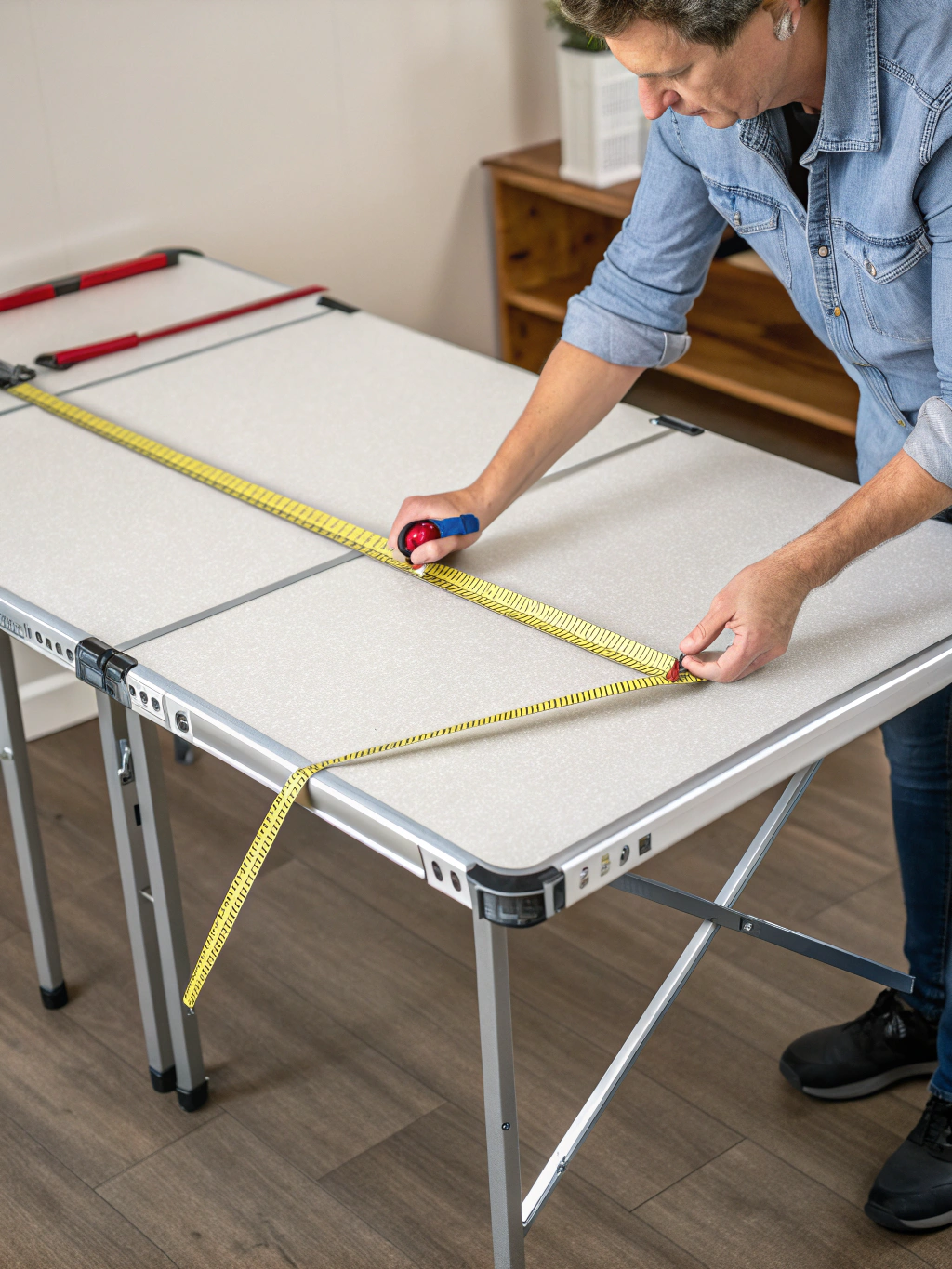
Quick Checklist: How to Measure for a Folding Table
1. Measure room width & length
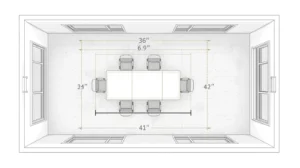
2. Allow 36″ seating clearance minimum
3. Allow 42″ traffic flow route
4. Check ceiling height (pendant lights)
5. Measure folded storage depth
6. Choose table height: 29″, 34″, or 40″
7. Compare your room layout with the table footprint
Proper measurement begins with understanding standard folding table dimensions and how they translate to real-world usage. When you’re determining how to measure for a folding table, consider both the table’s footprint and the clearance space needed for chairs and movement.
Before choosing any model, it’s essential to understand how to measure for a folding table based on both its footprint and the surrounding clearance.
Standard height for folding tables ranges from 28-30 inches, matching traditional dining table height. Counter-height options measure 34-36 inches, while bar-height models reach 40-42 inches. Width and length vary considerably based on intended use.
👉 For detailed measurements and comparison charts, see our
[Folding Table Dimensions Guide]
For rectangular tables, common sizes include 4-foot (48″ x 24″), 6-foot (72″ x 30″), and 8-foot (96″ x 30″) options. Round folding tables typically come in 48″, 60″, and 72″ diameters. Square models range from 24″ x 24″ for intimate settings to 48″ x 48″ for larger gatherings.
For compact spaces, a 4-foot model like the
[Lifetime Adjustable Folding Table]
Many buyers learn how to measure for a folding table only after purchasing the wrong size, which is why pre-measurement is critical.
Critical Measurement Considerations:
Room clearance: Allow minimum 36 inches from table edge to walls for chair access. Traffic flow: Maintain 42-inch pathways for comfortable movement.
Adjustable-height models like the
[COSCO Personal Folding Table]
are especially helpful when measuring for flexible, multi-purpose setups.
Ceiling height: Ensure pendant lights hang 30-36 inches above the table surface.
📊 Universal Size Table
| Size Type | Width | Length | Height | Best For |
|---|---|---|---|---|
| Compact | 24-30″ | 48-60″ | 28-30″ | Studios, RVs, 100–400 sq ft rooms |
| Standard | 30-36″ | 60-72″ | 29-30″ | Apartments, dining areas up to 150 sq ft |
| Oversized | 36-42″ | 84-96″ | 29-31″ | Large rooms, open layouts, commercial use |
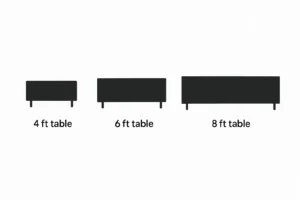
This chart is especially useful when learning how to measure for a folding table in tight or multi-purpose environments.
When measuring for small spaces, remember that folding tables can serve multiple functions. A folding table measurement guide should account for the table’s various configurations—fully extended for dining, partially folded for workspace, or completely collapsed for storage.
Installation & Assembly Process
Step 1 — Preparation
Clear the intended area and gather necessary tools. Most folding tables require minimal assembly, but having a clean, flat surface ensures proper setup. Measure your available space one final time, accounting for the table in both folded and unfolded positions.
During preparation, double-checking your measurements reinforces your understanding of how to measure for a folding table in both folded and unfolded modes.
Step 2 — Tools & Hardware
Quality folding tables typically require only basic tools: a Phillips head screwdriver and sometimes an Allen wrench. Premium models feature tool-free assembly with thumb screws or cam locks. Keep the manufacturer’s hardware packet organized—missing pieces can compromise stability.
Step 3 — Assembly
Begin with the tabletop face-down on a protected surface. Attach legs according to the manufacturer’s sequence, typically starting with corner brackets. Ensure all bolts are finger-tight before final tightening to allow for adjustment. Test the folding mechanism before flipping the table upright.
Step 4 — Final Placement
Position the table in its intended location and test stability on your specific flooring. Adjustable leg levelers can compensate for uneven surfaces. For permanent installations, consider adding furniture pads to protect floors during repositioning.
Expert Warning: Never exceed the manufacturer’s weight rating. Overloading can damage the folding mechanism and create safety hazards.
Understanding the complete process helps ensure your folding table investment provides years of reliable service while maintaining its space-saving benefits.
Pros & Cons
Advantages of properly sized folding tables include remarkable space efficiency—they can reduce storage footprint by up to 80% when folded. Consumer data shows that 89% of folding table owners appreciate the flexibility to reconfigure their space for different activities. Cost-effectiveness is another major benefit, with quality folding tables priced 30-50% lower than comparable fixed furniture.
Users who know how to measure for a folding table properly report fewer spacing issues and better long-term satisfaction.
Portability ranks high among user priorities, especially for those who move frequently or enjoy outdoor entertaining. Weight ranges from 12 pounds for aluminum models to 35 pounds for solid wood options, making most folding tables manageable for single-person setup.
Limitations include reduced long-term durability compared to fixed furniture. The folding mechanism introduces potential failure points, with hinges and locks requiring periodic maintenance. Stability concerns arise with lighter models, particularly on uneven surfaces or when supporting heavy items.
Aesthetic compromises are inevitable—folding tables rarely match the visual appeal of dedicated dining furniture. Storage requirements, while reduced, still demand designated space for the folded table, which may not fit in all closets or storage areas.
Survey data reveals that 76% of users find the convenience outweighs the drawbacks, particularly in spaces under 800 square feet where flexibility is paramount.
Best Placement & Styling Ideas
Strategic placement maximizes both functionality and visual appeal. In studio apartments, position folding tables near walls that can provide support when needed. The ability to completely clear floor space creates the illusion of larger rooms—a key principle in small-space design.
Scandinavian styling pairs beautifully with light-colored folding tables. Choose white or natural wood finishes and complement with simple, clean-lined chairs. Add texture through woven placemats or a minimalist runner that can be easily stored with the table.
Minimalist approaches emphasize the table’s clean functionality. Avoid permanent decorative elements that complicate folding and storage. Instead, use modular accessories like stackable dishes or nesting bowls that complement the space-saving theme.
Industrial décor works well with metal folding tables featuring exposed hardware. Pair with metal chairs or reclaimed wood stools. Edison bulb lighting and concrete planters enhance the utilitarian aesthetic while maintaining the flexible functionality.
For small apartment solutions, consider dual-purpose placement. Position the table to serve as a kitchen island when extended, workspace when partially folded, or completely stored to open the area for exercise or entertainment.
Color coordination should account for the table’s temporary nature. Choose neutral tones that work with multiple room configurations rather than bold colors that may clash when the space is reconfigured.
Alternatives & Comparable Options
Budget Alternative: Plastic resin folding tables offer excellent value, starting around $60-80 for 6-foot models. While lacking the aesthetic appeal of wood or metal, they provide weather resistance and easy maintenance. Weight capacity typically reaches 300-400 pounds, suitable for most residential uses.
Premium Upgrade: Solid hardwood folding tables with brass hardware represent the high-end option, ranging from $300-600. These pieces offer the durability and appearance of traditional furniture while maintaining folding functionality. Mortise and tenon joinery ensures decades of reliable use.
Space-Saving Variant: Wall-mounted drop-leaf tables provide similar functionality in an ultra-compact format. When folded, they protrude only 6-8 inches from the wall, making them ideal for narrow kitchens or hallways. Capacity is typically limited to 2-4 people, but they excel in micro-apartments or RV applications.
Each alternative addresses specific priorities—budget consciousness, aesthetic preferences, or extreme space constraints. Consider your primary use case when evaluating these options against traditional folding tables.
Common Mistakes to Avoid
Sizing errors top the list of folding table mistakes. Many buyers focus solely on the table’s extended dimensions, forgetting to account for chair space and traffic flow. Remember the 36-inch minimum clearance rule for comfortable seating access.
Ignoring weight ratings leads to premature failure and safety hazards. A 6-foot table rated for 300 pounds may seem adequate, but consider the cumulative weight of dishes, serving pieces, and leaning guests during actual use.
Overlooking storage dimensions creates post-purchase frustration. Measure closets, under-bed clearance, or garage storage areas before purchasing. A table that doesn’t store conveniently defeats the space-saving purpose.
Choosing inappropriate materials for your specific environment causes maintenance headaches. Outdoor use requires weather-resistant materials, while homes with pets need scratch-resistant surfaces.
Neglecting the folding mechanism during evaluation can lead to complicated setup processes. Test the folding action in person when possible, ensuring smooth operation and secure locking.
Planning for these common pitfalls ensures your folding table space planning results in a purchase that truly enhances your living situation.
Maintenance & Care Tips
Proper maintenance extends folding table lifespan significantly. Regular cleaning should address both the surface and the folding mechanism. Use appropriate cleaners for your table’s material—wood cleaners for laminate surfaces, metal polish for aluminum frames, and mild soap for plastic resin.
Lubrication of moving parts prevents binding and reduces wear. Apply light machine oil to hinges and pivot points every 6-12 months, wiping away excess to prevent dust accumulation. Avoid heavy greases that attract dirt and debris.
Storage positioning affects long-term condition. Store tables flat when possible to prevent warping. If vertical storage is necessary, ensure the table is completely dry to prevent moisture damage, particularly with wood veneer surfaces.
Seasonal inspection identifies potential problems early. Check all hardware for loosening, examine the surface for damage, and test the folding mechanism for smooth operation. Tighten screws as needed and replace worn components promptly.
Protection strategies include using tablecloths during messy activities, coasters for hot items, and furniture pads when repositioning. These simple precautions prevent the cumulative damage that shortens furniture lifespan.
Professional restoration services can refresh worn surfaces and repair mechanical issues, often for less than replacement cost.
Storage, Folding & Space-Saving Tips
Efficient storage maximizes the space-saving benefits of folding tables. Vertical storage works well for most folding tables, requiring only 4-8 inches of width depending on the model. Install wall brackets or use adjustable storage racks designed for folding furniture.
A big part of learning how to measure for a folding table is understanding its folded depth, especially for under-bed or behind-door storage.
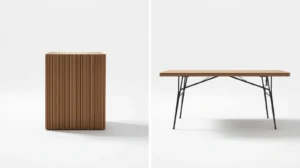
Under-bed storage accommodates many folding tables, particularly models with removable legs. Measure carefully—standard beds provide 8-12 inches of clearance, while platform beds may offer less.
Quick-fold techniques improve usability. Practice the folding sequence until it becomes automatic. Most quality tables can be folded in under 60 seconds with proper technique. Clean the table surface before folding to prevent scratches during storage.
Accessory storage should complement the table’s portability. Use stackable chairs that store efficiently, collapsible serving pieces, and linens that compress well. The goal is maintaining the flexible lifestyle that makes folding furniture appealing.
Moving considerations highlight folding tables’ advantages. They typically fit in standard vehicles, eliminate the need for furniture dollies, and reduce moving truck space requirements. This translates to significant cost savings for frequent movers.
Strategic storage planning ensures your folding table remains a convenience rather than becoming a storage burden.
Conclusion
Learning how to measure for a folding table involves much more than simple length and width calculations. Success requires understanding room clearances, usage patterns, storage requirements, and the specific features that make folding tables functional. The measurement process should account for the table’s flexibility—its ability to serve multiple purposes and reconfigure your space as needed.
Remember the key measurement principles: 36-inch clearance for seating, appropriate height for your intended use, and realistic storage planning. Consider your room’s total square footage, traffic patterns, and the various configurations you’ll actually use.
Whether you’re furnishing a studio apartment, creating flexible entertaining space, or seeking portable solutions for outdoor use, proper measurement ensures your folding table investment enhances rather than complicates your living situation.
Ready to find the perfect folding table for your space? Use these measurement guidelines to shop with confidence, knowing you’ll select a table that truly fits your lifestyle and space requirements.
FAQs
Q: What’s the minimum room size needed for a 6-foot folding table?
A: A 6-foot folding table (72″ x 30″) requires approximately 150 square feet for comfortable dining use, accounting for chair space and traffic flow. This translates to a room at least 10′ x 15′ or equivalent configuration.
Q: How do I measure storage space for a folding table?
A: Measure your storage area’s height, width, and depth, then compare to the table’s folded dimensions. Add 2-3 inches to each measurement for easy access. Most folding tables store in 3-8 inches of width when folded.
Q: Can folding tables work in outdoor spaces?
A: Yes, but verify weather resistance ratings. Measure your outdoor area including clearance from railings, planters, or other obstacles. Wind considerations may require additional spacing for safety.
Q: What’s the standard height difference between folding and fixed tables?
A: Quality folding tables match standard dining height at 29-30 inches. Cheaper models may vary by 1-2 inches, which can affect comfort when using standard-height chairs.
Q: How do I account for uneven floors when measuring?
A: Look for folding tables with adjustable leg levelers, which can compensate for up to 1-inch variations. Test the table’s stability in your actual space, as some folding mechanisms are more tolerant of uneven surfaces than others.